The Evolving Role of Women in US-Saudi Business Relations
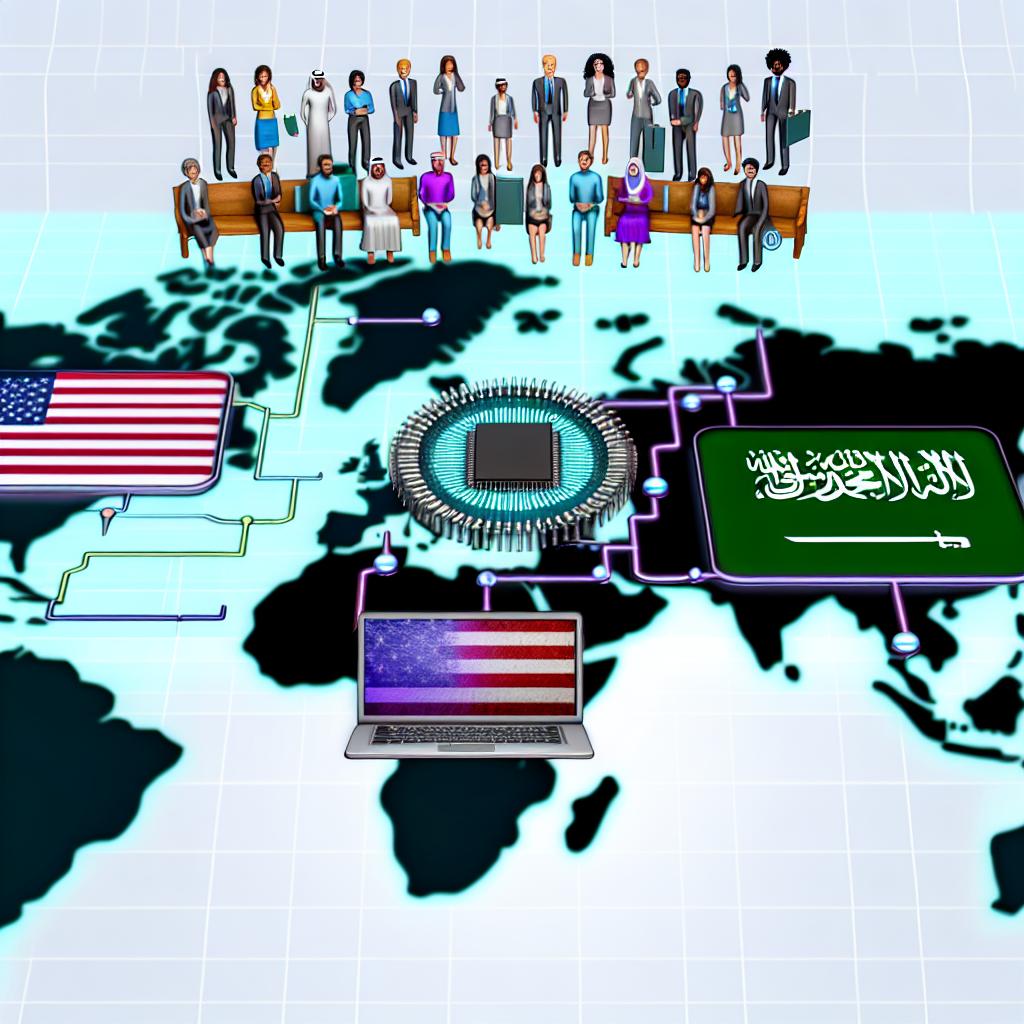
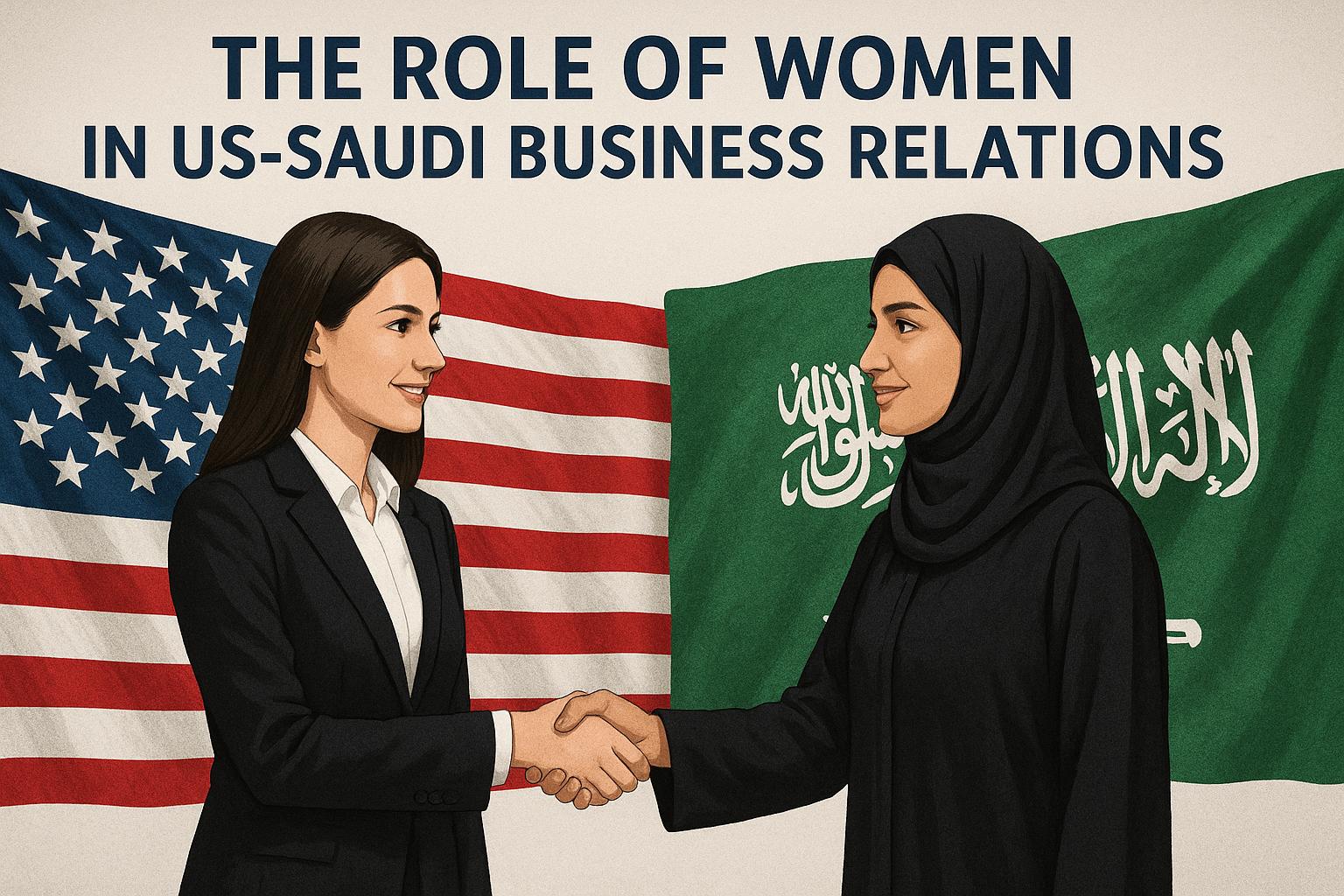
The changing landscape of women’s roles in US-Saudi business relations is a reflection of significant shifts in cultural, legal, and economic spheres. What we witness today is not merely a regional phenomenon but one that signifies broader global trends towards gender equality and women’s empowerment. As seen within the context of the United States and Saudi Arabia’s commercial engagements, the inclusion of women has made notable strides. However, challenges do continue to persist in this evolving paradigm.
Historical Context
To grasp the gravity of changes that have taken root, it is essential to delve into the historical context. Traditionally, Saudi Arabia had a conservative approach concerning the roles women could play in society, which starkly limited their active engagement in a variety of sectors, including business. However, this narrative has seen gradual transformation, especially in recent years with the advent of strategic reforms. These have been positioned as part of the Kingdom’s ambitious Vision 2030 initiative, which seeks economic diversification and aims to lessen the country’s reliance on oil. These reforms are pivotal as they set in motion frameworks that facilitate women’s greater participation in the workforce, thereby altering traditional perceptions and expectations.
Legal and Economic Reforms
Significant legal reforms have led to a reimagining of the role of women within the economic landscape of Saudi Arabia. Key changes include the landmark decisions allowing women to drive and travel without needing a male guardian’s consent. Such progressive motions are vital as they not only empower women with greater mobility and independence but also enhance their potential involvement in business activities.
In contrast, the United States has historically been more progressive, with a robust legal framework supporting gender equality in economic participation. Various policies and initiatives in the US focus on promoting diversity and inclusivity, which are increasingly being recognized as valuable business attributes. This approach is profoundly influencing how American corporations engage with international partners, notably those in Saudi Arabia, and underscores the importance of gender diversity as a strategic asset in business.
Significance of Policy Changes
Policies facilitating inclusivity have far-reaching implications. For instance, by enabling women to participate actively in the business world, both countries tap into a broader talent pool, resulting in innovative business solutions and diverse perspectives, which are increasingly important in today’s globalized economy. Hence, these policy changes not only promote gender equality but also strengthen economic competitiveness and growth.
Women’s Participation in Business
A notable and positive trend has been the expanding role of women in business and entrepreneurship in both the United States and Saudi Arabia. In Saudi Arabia, the visibility of female entrepreneurs is on the rise, bolstered by governmental support and a burgeoning entrepreneurial ecosystem. This positive shift is indicative of a society gradually embracing change and recognizing the untapped potential of its female population.
In tandem, US organizations operating within Saudi Arabia are increasingly valuing the unique insights and understanding that locally resourced female employees bring to the table. Women in leadership positions across both countries are actively contributing to the development of bilateral business strategies. Such developments are fostering a collaborative atmosphere that benefits both US and Saudi enterprises.
Empirical Evidence of Progress
Empirical data indicates that companies with a higher representation of women in the workforce tend to perform better financially. This evidence further solidifies the business case for enhancing women’s participation in business activities, as diverse teams may offer a more comprehensive spectrum of ideas and solutions, driving economic productivity and growth.
Challenges and Opportunities
Despite the considerable progress that has been achieved, numerous challenges continue to linger. Cultural perceptions that perpetuate gender stereotypes, combined with operational barriers, still impede women’s full participation in certain sectors. Additionally, disparities in earnings and career advancement opportunities remain as pressing issues that need to be addressed.
Nevertheless, these challenges concurrently usher in opportunities for businesses willing to harness the power of gender diversity. By integrating diverse viewpoints and experiences, companies can stimulate innovation and enhance their competitive edge. American corporations invested in Saudi ventures are well-positioned to lead by example, demonstrating inclusive business practices and championing initiatives that enhance women’s workforce participation.
The Path Forward
The continuous evolution of women’s roles within US-Saudi business relations clearly illuminates how pivotal the intersection of policy, cultural norms, and economic imperatives is. A persistent and collective commitment from both government institutions and private sector enterprises is indispensable to ensure women’s contributions are genuinely acknowledged and valued in bilateral trades and operations.
As these transformative processes progress, there lies immense potential for more profound cooperation and reciprocal benefits within US-Saudi business engagements. An environment that holistically supports women’s complete participation can foster economic and social gains, ultimately reinforcing the foundations for enduring partnership and future growth.
Strategic Insight
Navigating this evolving landscape requires strategic insight and sustained commitment to inclusivity. Companies and policymakers must align on shared goals of gender equality and empowerment, recognizing that these values are not only socially imperative but also economically advantageous in cultivating and sustaining successful international business partnerships.
In conclusion, the shifting dynamics of women’s roles in US-Saudi business relations reflect transformative societal changes. By implementing inclusive practices and policies, both nations can leverage these shifts to achieve mutual gains, ensuring a prosperous and equitable future in their business engagements.
This article was last updated on: January 25, 2026