The Dynamics of US-Saudi Trade Relations
The relationship between the United States and Saudi Arabia has long been defined by energy, with oil as the pivotal element influencing the economic ties between these two nations. This intricate connection binds them, often swayed by the forces of the market, geopolitical changes, and each country’s evolving strategic priorities. While oil has historically been at the core, there are emerging aspects of trade and cooperation that could redefine this trade relationship in the years to come.
Oil Market Volatility
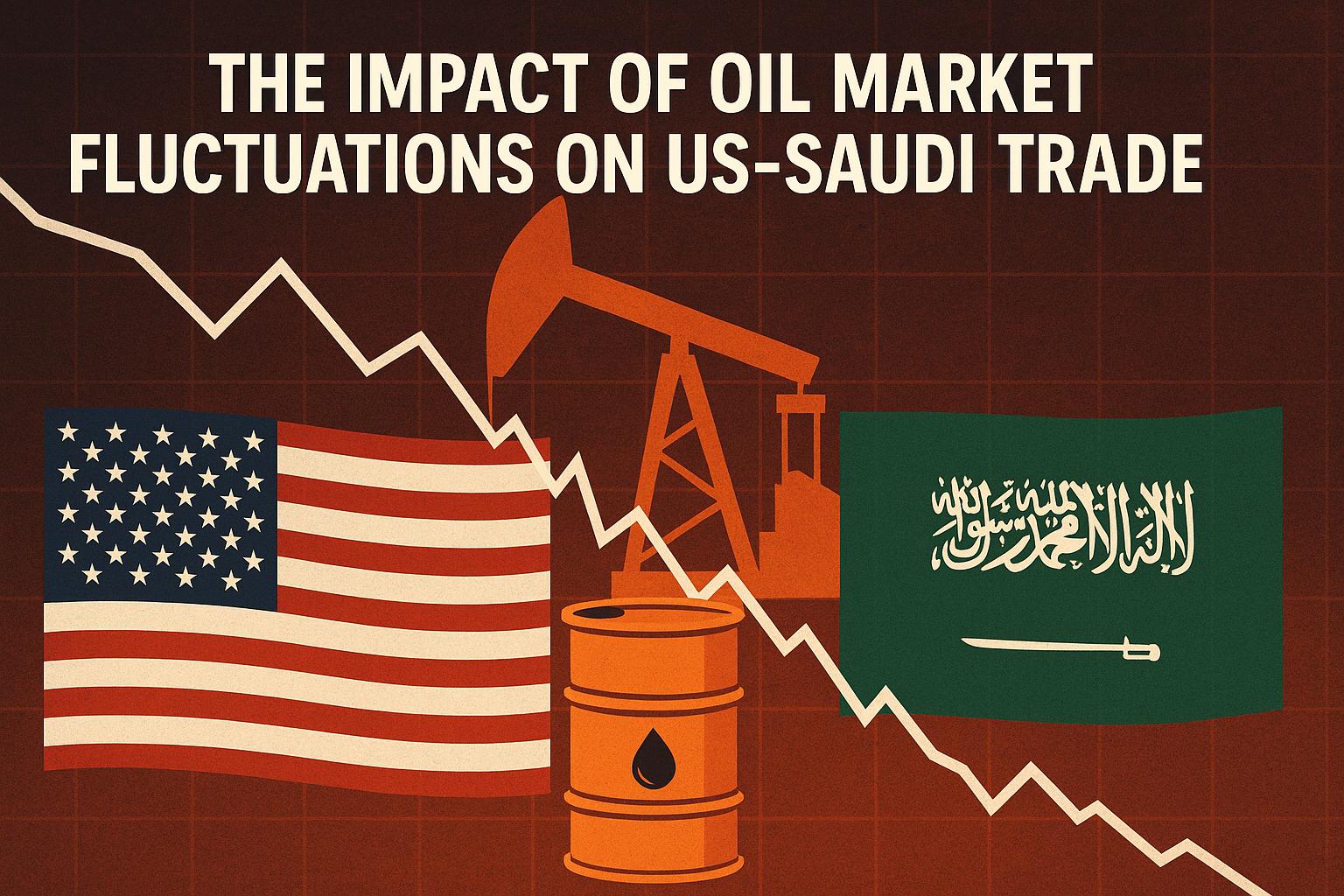
The oil market is subject to various factors that cause its prices to fluctuate significantly, reflecting a complex interplay of supply, demand, geopolitical, and environmental influences. Geopolitical events can drastically affect supply lines, impacting global prices almost immediately. For instance, disruptions due to conflicts in oil-rich regions or strategic decisions such as production cuts by the Organization of the Petroleum Exporting Countries (OPEC) tend to reverberate throughout the global economy, significantly impacting US-Saudi trade.
Additionally, natural disasters can also strain oil production capabilities, whether through physical damage to extraction facilities or through affecting transportation routes. Shifts in global economic demand, influenced by economic growth or recession cycles, further contribute to the unpredictability of oil prices. These multifaceted variables mean that both short-term and long-term strategies must be employed by countries such as Saudi Arabia to manage their economic well-being against these unpredictable changes.
Economic Impact on Saudi Arabia
Saudi Arabia is uniquely positioned with its vast oil reserves, making its economy particularly sensitive to fluctuations in oil prices. Oil exports constitute a predominant share of its national revenue, so high oil prices typically lead to a favorable economic outlook with increased revenues. Elevated income from oil facilitates surplus trade balances and allows for expanded government budgets to support national projects and development.
When oil prices dip, however, the country faces the possibility of budgetary constraints and trade deficits, urging policymakers to potentially restructure fiscal plans. The necessity of adjusting trade strategies becomes a focal point, prompting worries about future revenue streams and perhaps pushing Saudi Arabia to seek diversification efforts to stabilize income from non-oil sources.
US-Saudi Trade Relations
The United States remains one of the largest importers of Saudi oil, but the dynamics of this facet of their relationship have been evolving over recent years. Technological advancements in hydraulic fracturing have allowed the US to substantially increase its own oil production capabilities, reducing dependency on foreign oil and altering the import needs from countries like Saudi Arabia.
This decreasing reliance, however, has not severed the trade relations; instead, it has prompted a reevaluation and could potentially encourage diversification into other sectors of mutual interest. Economic decisions are now being shaped not only by oil dependencies but also by a desire for balanced trade that could shield both nations from the volatility associated with single-sector dependence.
Long-term Strategic Considerations
While oil continues to be a cornerstone of the US-Saudi economic relationship, both nations are aware of the strategic importance of broadening their cooperative horizons. Saudi Arabia’s Vision 2030 represents a comprehensive plan to diversify its economy beyond oil, actively seeking development in areas such as technology, defense, education, and infrastructure. By reducing oil dependence, Saudi Arabia aims to create a more stable and sustainable economic future.
The United States has demonstrated interest in these diversification initiatives, recognizing the potential benefits of engaging with Saudi Arabia in developing sectors. Such collaborations could not only provide economic benefits but also strengthen geopolitical ties and foster long-term strategic alliances that encapsulate more than just energy trade.
Conclusion
As the world continues to navigate the complexities of oil market fluctuations, US-Saudi trade relations remain pivotal yet increasingly multifaceted. Recognizing the cyclical nature of oil prices and their impact on trade helps both countries to be better equipped in adapting strategies that address evolving economic challenges and capitalize on emerging opportunities. The shift towards economic diversification stands as a promising avenue for a more balanced and robust trade partnership, where reliance on oil is supplemented with cooperation across various sectors, thus ensuring a resilient economic relationship.
This article was last updated on: February 1, 2026