The Role of Public Relations in Bridging US and Saudi Cultural Gaps
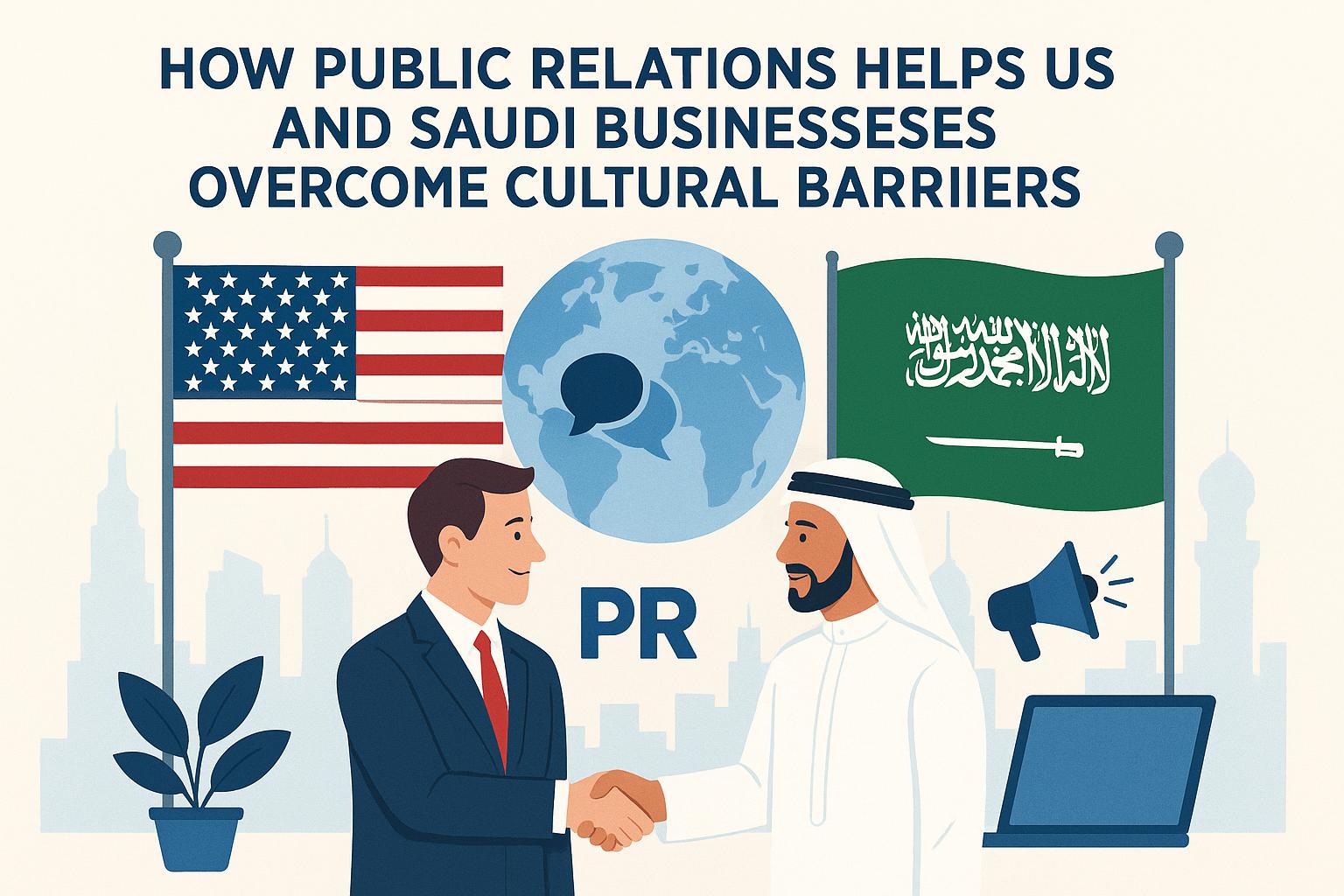
The interplay between cultural differences and business operations in the international arena necessitates adept management of communications. For businesses in the United States and Saudi Arabia, public relations (PR) plays a crucial role in overcoming cultural barriers, facilitating smoother interactions, and fostering mutual understanding.
Understanding Cultural Dynamics
Cultural differences between the US and Saudi Arabia can manifest in various forms, including communication styles, business etiquette, and decision-making processes. These differences often pose challenges for businesses aiming to operate effectively across these regions. A well-devised PR strategy can help in understanding these cultural dynamics and tailoring messages that resonate with the target audience.
Understanding the cultural underpinnings of business interactions is significant in crafting messages that not only reach the intended audience but also leave a positive impact. In the US, for example, communication tends to be direct, with an emphasis on clarity and conciseness. This preference often mirrors the country’s broader cultural values of individualism and efficiency. In contrast, Saudi Arabian communication is often more nuanced, emphasizing respect and consideration, and requiring an understanding of the country’s intricate social hierarchies and norms.
These differences extend to business etiquette and decision-making processes. In the US, decision-making might be swift with an inclination towards risk-taking, reflecting a corporate culture that often values innovation and rapid progress. Conversely, in Saudi Arabia, decision-making might be more deliberate, requiring consensus among various stakeholders. This consensus-driven approach is deeply rooted in the collective culture of Saudi society, where familial and tribal affiliations play a crucial role.
Adapting Communication Strategies
PR professionals are adept at adapting communication strategies to suit cultural contexts. For example, in the US, direct and straightforward communication is often valued, while in Saudi Arabia, indirect communication might be preferred. PR practices can help businesses craft messages that are culturally appropriate and avoid misunderstandings. This adaptation not only enhances business relationships but also increases the overall effectiveness of communication campaigns.
Adapting communication strategies involves more than just translating language; it requires a deep understanding of cultural symbols, gestures, and even silence. In Saudi Arabia, for instance, the use of honorifics and respectful greetings is essential in business communications, reflecting an underlying cultural emphasis on respect and social status. On the other hand, US communication may prioritize efficiency and result-driven conversations, where brevity is appreciated. PR professionals must navigate these nuances to bridge gaps effectively, ensuring that messages are well-received and impactful.
Another aspect of adapting communication strategies is recognizing the role of social and digital media in both cultures. While both societies are digitally connected, the platforms and modes of engagement may differ. In Saudi Arabia, platforms like Twitter and Snapchat are highly popular, often used for both personal communication and public discourse. In contrast, platforms like LinkedIn and Facebook might dominate professional interactions in the US. Understanding these preferences allows PR practitioners to tailor their strategies to the habits and expectations of their target audience.
Building Trust and Relationships
In both the US and Saudi cultures, trust is a fundamental element of business relationships. PR efforts focus on building and maintaining trust by emphasizing transparency, promoting ethical standards, and ensuring consistent communication. By leveraging these strategies, businesses can cultivate long-lasting relationships that are resilient to cultural differences.
Building trust in a cross-cultural context requires a nuanced understanding of what trust means in different cultural environments. In Saudi Arabia, trust is often developed through personal relationships and networks, requiring time and an investment in genuine relationship-building. This might involve engaging in social activities, respecting local customs, and demonstrating a commitment to the community. In the US, while personal relationships are also important, trust might be more closely tied to business performance and transparency in operations.
Moreover, the role of collectivism in Saudi Arabia can influence how businesses approach relationship-building. Companies should consider family ties and social networks when strategizing their PR efforts. Meanwhile, US businesses might focus more on individual achievements and corporate track records to establish credibility and trustworthiness.
Navigating Legal and Ethical Considerations
Every country has its own set of legal and ethical considerations that businesses must adhere to. PR professionals assist in navigating these complex landscapes by providing guidance on regulations and cultural norms. In Saudi Arabia, for instance, understanding the religious and cultural significance in communications is crucial. PR experts ensure compliance with these norms, mitigating the risk of potential conflicts.
Navigating legal and ethical considerations involves being aware of both explicit regulations and implicit societal norms. In Saudi Arabia, this might include respecting gender roles and religious practices, such as prayer times and dress codes. US regulations might focus more on industry standards and regulatory bodies’ requirements.
PR professionals play a critical role in ensuring that businesses remain compliant while also being sensitive to cultural context. This might involve crafting messages that adhere to advertising standards or ensuring that campaigns align with societal values. Failure to do so can result in reputational damage or even legal repercussions.
Utilizing Media and Technology
The effective use of media and technology can enhance cross-cultural communication. PR campaigns often leverage multiple media platforms to reach diverse audiences in both the US and Saudi Arabia. This approach ensures that messages are culturally sensitive and accessible to varied demographics. Furthermore, digital tools such as social media and online content platforms facilitate real-time interactions, enabling businesses to respond promptly to cultural nuances.
Utilizing media and technology effectively involves recognizing the different roles these platforms play in each culture. In Saudi Arabia, social media often serves as a primary source of news and information, and it is crucial for PR campaigns to engage with these platforms to reach their audience effectively. In the US, the media landscape might include a more diverse range of platforms, including traditional media, digital news, and social networks.
In addition, technology enables businesses to gather feedback and monitor sentiment in real-time, allowing for quick adaptation to cultural reactions. This is crucial in maintaining relevance and resonance in both markets.
Case Studies of Successful PR Practices
Several multinational companies have successfully employed PR strategies to bridge cultural barriers between the US and Saudi markets. For instance, Alshaya Group, a reputable franchise operator, has effectively localized its brand messages to resonate with the Saudi audience while maintaining global standards. By adopting PR practices that integrate cultural insights, businesses can achieve similar success.
Companies like the Alshaya Group demonstrate how understanding cultural context can lead to successful market penetration and brand acceptance. By adapting global practices to fit local norms, these companies maintain brand consistency while also ensuring cultural relevance.
Analyzing case studies such as these provides insights into the effectiveness of specific strategies and offers a roadmap for businesses seeking to navigate the complex cultural dynamics present in international markets.
Conclusion
Public relations serve as a vital tool for businesses navigating the cultural landscapes of the US and Saudi Arabia. By understanding and respecting cultural differences, customizing communication strategies, and leveraging technology, PR professionals help businesses overcome barriers and foster strong, enduring relationships. The strategic application of PR not only facilitates successful business operations but also promotes a deeper appreciation for cultural diversity. By prioritizing cultural understanding and communication, businesses can create sustainable partnerships that benefit both parties, ensuring success in an increasingly interconnected world.
This article was last updated on: November 26, 2025