Introduction
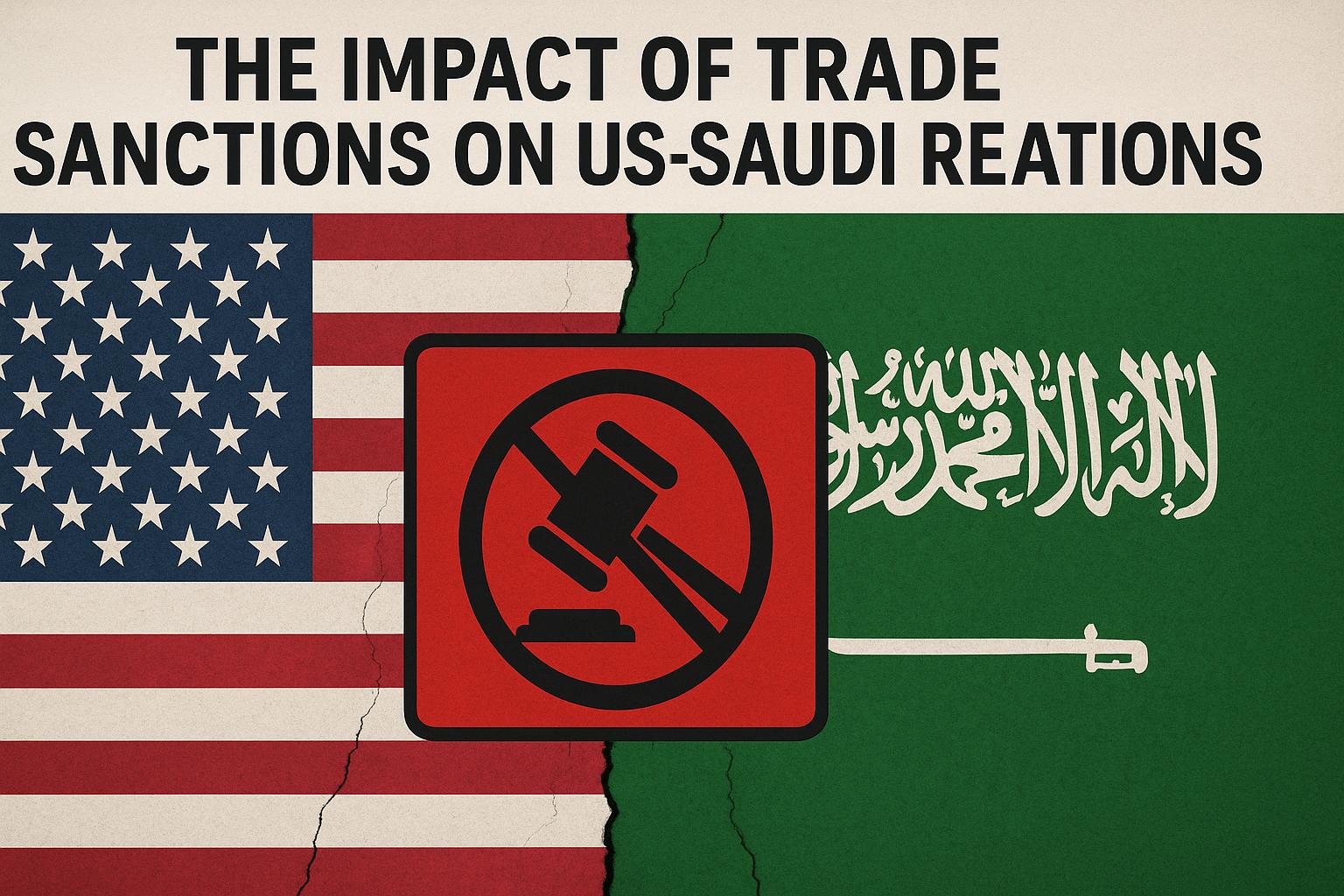
In recent years, trade sanctions have emerged as a strategic tool in the realm of foreign policy, shaping the interactions between the United States and countries around the globe, including Saudi Arabia. The imposition of economic sanctions has been a pivotal element in dictating terms of engagement and cooperation. This article delves into the influence of these economic measures on the bilateral relations between the US and Saudi Arabia, emphasizing their historical backdrop and the ramifications that persist in the contemporary geopolitical landscape.
Historical Context
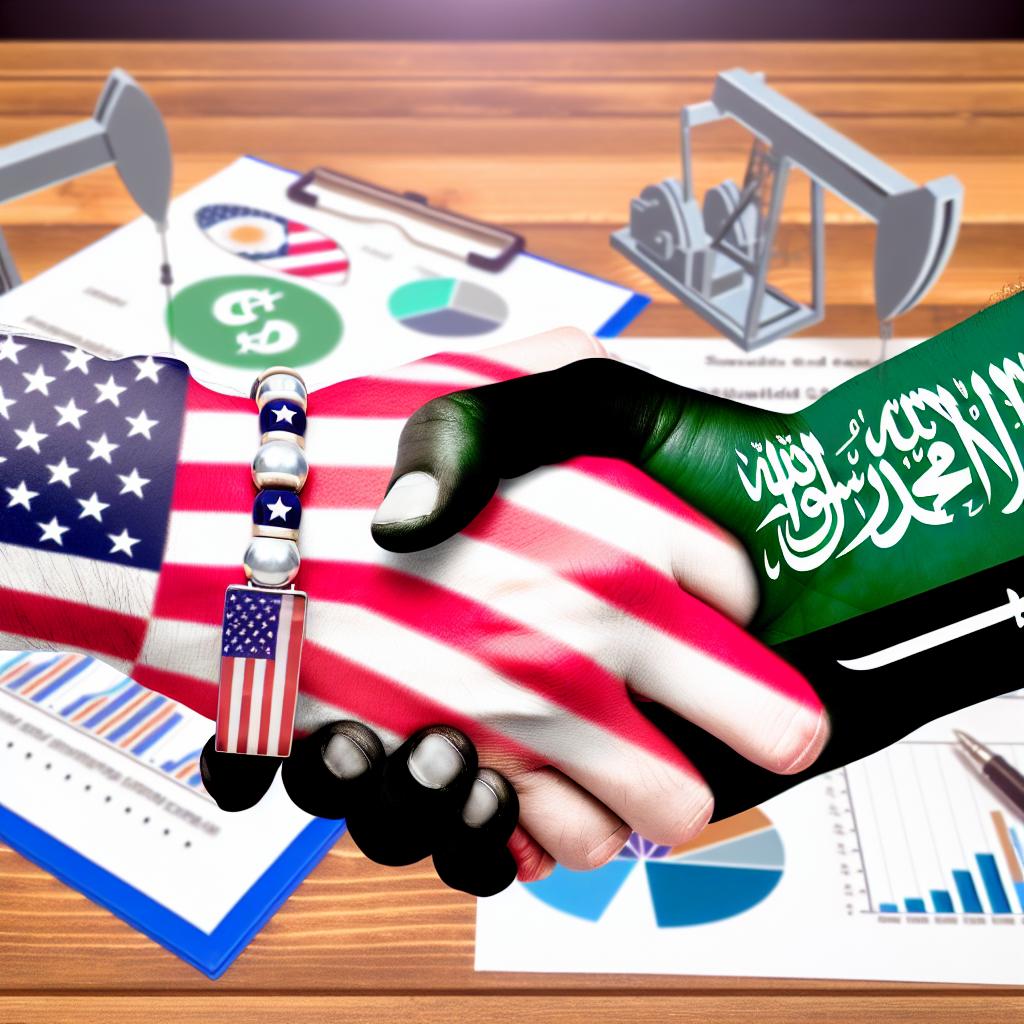
The United States and Saudi Arabia have shared a longstanding and intricate trade relationship, primarily centered on the exchange of resources and defense capabilities. Saudi Arabia has historically relied on the United States for military hardware, while the US has been a primary beneficiary of Saudi oil exports. This symbiotic exchange has underpinned a stable diplomatic rapport between the two nations. Nonetheless, over time, the introduction and escalation of trade sanctions, driven by various geopolitical circumstances, have added layers of complexity to this partnership, challenging its foundations and testing its resilience.
Reasons for Trade Sanctions
The imposition of trade sanctions by the United States on Saudi Arabia stems from multiple considerations, each reflecting the broader strategic aspirations and ethical stances of the US. Key motivations include:
1. Human Rights Concerns: Allegations of human rights abuses have prompted the US to leverage trade sanctions as a means to express condemnation and encourage reform within Saudi Arabia. This approach aligns with America’s broader commitment to promoting democratic values and protecting individual freedoms.
2. Regional Security Threats: The geopolitical tensions in the Middle East often draw scrutiny from global powers, with the United States particularly vigilant about issues that threaten regional stability. Sanctions serve as a method to address and mitigate risks posed by Saudi policies or actions perceived to destabilize the region.
3. Compliance with International Agreements: Adherence to international treaties and norms remains a cornerstone of diplomatic interactions. The United States resorts to sanctions when it perceives violations of such agreements, aiming to enforce compliance and uphold the integrity of global diplomatic frameworks.
Effects of Trade Sanctions on the Saudi Economy
The impact of trade sanctions on the economy of Saudi Arabia can be profound, reshaping economic priorities and necessitating strategic pivots. Two primary areas are notably affected:
Oil Dependency: Oil revenue forms the backbone of the Saudi economy, with crude oil exports accounting for a significant share of national income. Any disruption to its trading capabilities, particularly with the US, can reverberate through the economy, influencing GDP growth and the broader financial stability of the nation.
Military Dilemmas: The reliance on US military technology and equipment as part of Saudi Arabia’s defense strategy is critical. Sanctions targeting these exchanges can impede technological advancement and modernization efforts within the Saudi military, which in turn affects national defense capabilities.
Implications for US Businesses
Trade sanctions, while primarily aimed at influencing foreign governments, inadvertently impact American businesses, particularly those integral to the affected sectors:
Energy Sector: Companies operating within the energy domain may find reduced opportunities in Saudi Arabia, leading to potential revenue losses and necessitating strategic shifts to mitigate the adverse effects.
Defense Contracts: The restrictions on military exports impact US defense contractors who face dwindling contracts and reduced demand. Navigating these challenges requires businesses to explore alternative markets or diversify offerings to maintain profitability.
Diplomatic Tensions
Beyond tangible economic effects, trade sanctions contribute to heightened diplomatic tensions between nations. For Saudi Arabia, the imposition of sanctions is often perceived as an affront to national sovereignty, leading to strained political relations with the United States. Navigating these tensions necessitates diplomatic efforts, with both nations engaging in dialogues and negotiations to address grievances and seek common ground. Maintaining open channels for diplomacy becomes imperative to avert further deterioration and to foster understanding amidst differing national interests.
Alternative Alliances
In response to the constraints imposed by sanctions, Saudi Arabia is compelled to explore new partnerships. This shift can redefine geopolitical alliances, with Saudi Arabia potentially engaging in trade agreements and military collaborations with other global powers. The diversification of partnerships not only mitigates the impact of US sanctions but also reshapes the country’s international engagement strategies.
Conclusion
Trade sanctions remain a potent instrument in shaping international relations, wielding the power to alter both diplomatic and economic scenarios. In the context of US-Saudi relations, these sanctions serve a dual purpose: enabling the US to assert its foreign policy objectives and presenting a strategic navigation challenge for Saudi Arabia. The intricate balance between exerting diplomatic pressure and sustaining constructive dialogue is crucial for both nations as they contend with the complexities these sanctions introduce. Addressing these challenges with strategic foresight and diplomatic ingenuity facilitates the continuation of their longstanding relationship, despite the inevitable tensions that sanctions bring into this dynamic.
This article was last updated on: January 8, 2026