Overview of US-Saudi Relations in the Aerospace and Defense Sector
The connection between the United States and Saudi Arabia in the aerospace and defense sector has been a significant aspect of their bilateral relations for many years. This cooperation is not merely an arrangement of convenience but stems from shared interests in regional stability, economic progress, and the advancement of technology. By understanding the foundations and evolution of this partnership, one can gain insight into the multifaceted nature of international relations in this critical industry.
Historical Context
The historical roots of the US-Saudi defense relationship trace back to the midpoint of the 20th century. During this time, the United States began to supply Saudi Arabia with essential military equipment and comprehensive training programs. These initial engagements laid the groundwork for an enduring partnership. The underlying objective was to maintain peace and security in the often-turbulent Middle East. By doing so, both nations aimed to safeguard their interests against potential threats and ensure a degree of regional stability, which is essential for global economic well-being.
As the decades rolled on, the scope and scale of this partnership expanded. Initially focusing on fundamental military support, it evolved to include a broad spectrum of defense-related activities. This transformation mirrored the changing dynamics of global politics and the increasing complexity of geopolitical challenges in the Middle East and beyond.
Defense Trade and Cooperation
The defense trade between the United States and Saudi Arabia is a robust and dynamic component of their bilateral relationship. It covers a broad array of military hardware, software, and services that enhance operational effectiveness and national security capabilities. Several key areas highlight the depth of this cooperation:
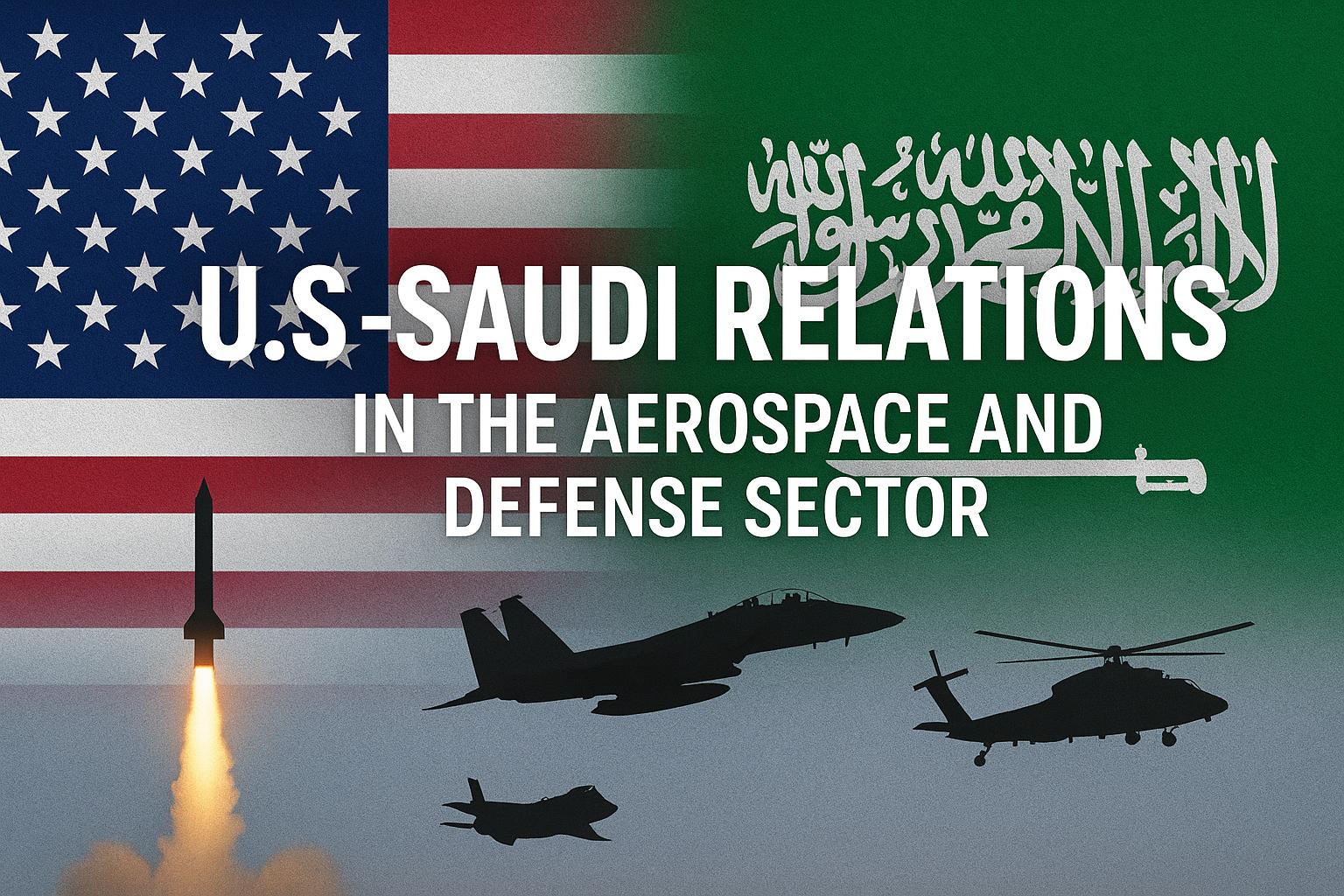
1. Arms Sales: The United States has served as a predominant supplier of military goods to Saudi Arabia. This includes state-of-the-art fighter jets, versatile helicopters, and sophisticated missile defense systems. These arms sales are not merely transactional; they reflect a strategic alignment of defense priorities.
2. Training Programs: Complementary to arms sales, the US provides extensive training programs through its defense companies and military institutions. These programs aim to augment the skill sets of Saudi armed forces, ensuring they can utilize the technologies effectively and adapt to evolving security scenarios.
3. Joint Ventures: The development of joint ventures and partnerships between US and Saudi companies signifies a deeper level of integration and mutual commitment. These collaborations focus on building indigenous capacities in domains such as aircraft maintenance and defense electronics. The underlying goal is for Saudi Arabia to develop self-reliance in specific areas of defense manufacturing and service provision.
Aerospace Collaboration
Beyond traditional defense collaboration, the aerospace sector represents a vital area of bilateral engagement. This collaboration aligns with Saudi Arabia’s broader vision to diversify its economy through advancements in technology and industry. A few notable aspects of aerospace cooperation are:
1. Aircraft Manufacturing: Both nations have invested in joint ventures that aim to produce parts and components for commercial and military aircraft. This approach not only supports Saudi Arabia’s industrialization goals but also creates job opportunities in both countries, fostering economic ties.
2. Space Exploration: The ambition to explore space and develop related technologies has also become a cornerstone of aerospace collaboration. Initiatives to work together in areas like satellite technology and space exploration hold promise for further strengthening ties and spurring innovation.
Strategic Importance
The strategic importance of this partnership cannot be overstated. For the United States, maintaining a strong ally in the Middle East is crucial for its foreign policy objectives. Saudi Arabia’s strategic location and influence in the region make it an indispensable partner. Conversely, Saudi Arabia gains access to advanced technology and military capabilities that bolster its security framework and help protect its sovereignty.
From an economic perspective, the partnership provides significant benefits. The trade in aerospace and defense not only fuels economic growth but also encourages technological transfer and industrial collaboration. This interdependence creates a stable foundation for even broader partnerships in other sectors.
Challenges and Criticisms
Despite its many advantages, the defense relationship between the US and Saudi Arabia is not without criticism and controversy. One of the most contentious issues is the concern over human rights. Critics argue that the use of US-supplied weapons in regional conflicts, some of which have resulted in civilian casualties, raises ethical questions and complicates the moral stance of both parties.
These challenges often bring the partnership under scrutiny in international and policy-making circles. Balancing national security interests with human rights considerations remains a complex issue that both nations must navigate carefully. Solutions may involve increased transparency and reevaluation of policies to address these ongoing concerns.
Concluding Thoughts
In conclusion, the US-Saudi relationship in the aerospace and defense sector is a vital component of their overall diplomatic engagement. While it yields significant strategic and economic benefits, it also presents complicated geopolitical and ethical challenges that require diligent management. As both the United States and Saudi Arabia look towards the future, a focus on transparency, mutual respect, and adaptability will be essential. Effectively balancing these interests will be key to maintaining a stable and mutually advantageous relationship, ensuring that the partnership continues to serve the needs of both nations while addressing global concerns.
This article was last updated on: April 5, 2026