Introduction
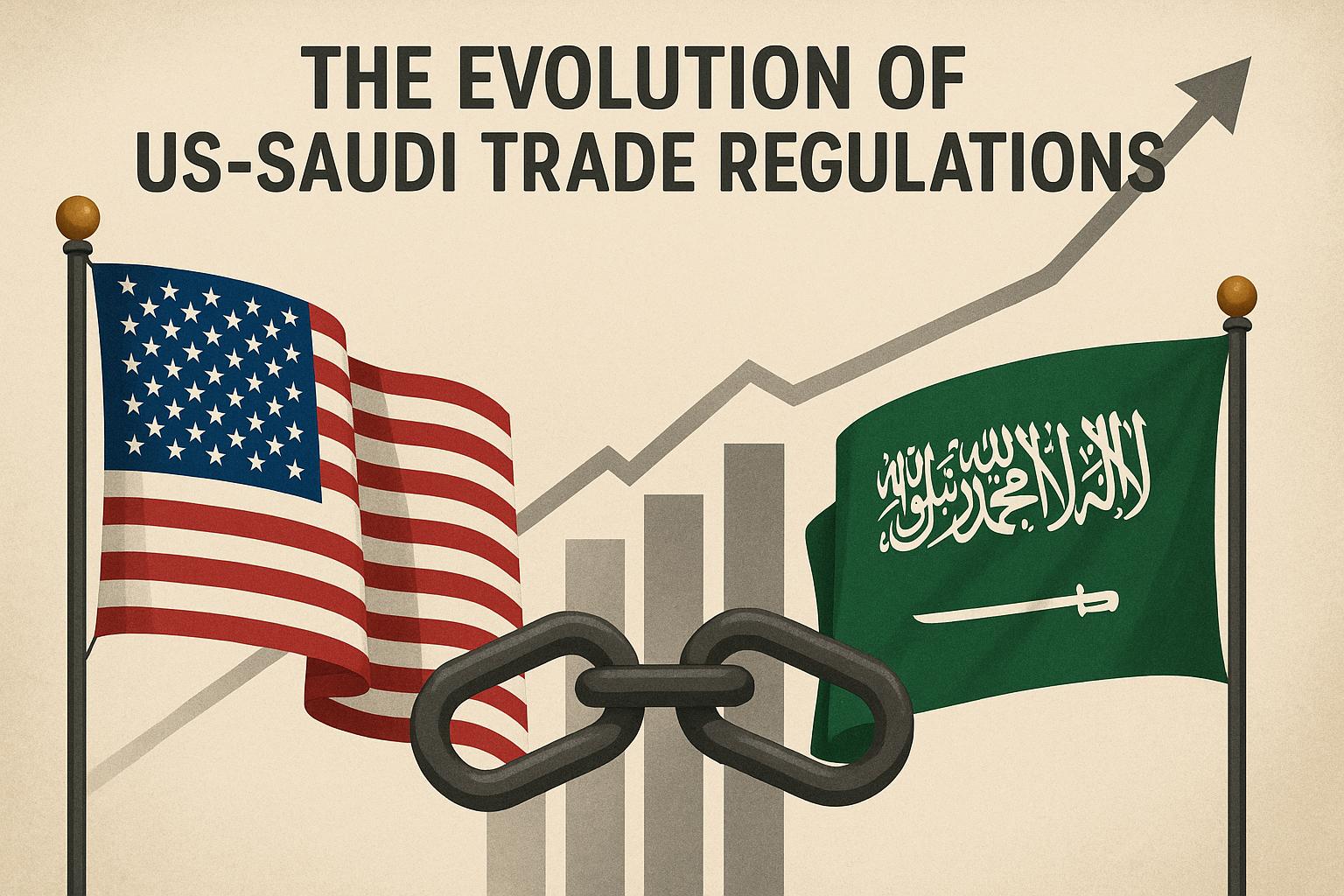
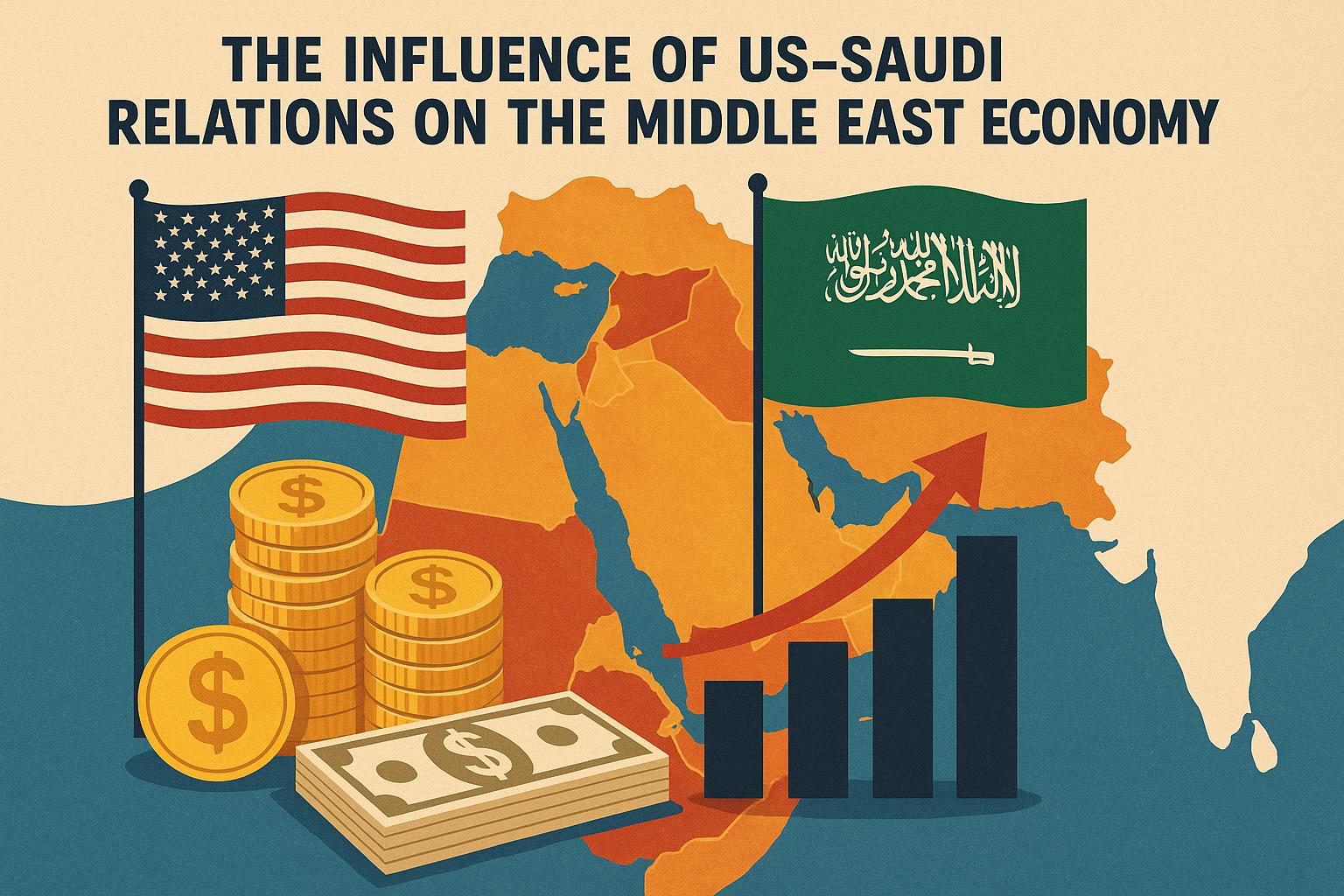
The relationship between the United States and Saudi Arabia has long been a cornerstone in the geopolitics of the Middle East. This connection has significant implications for the regional economy, influencing everything from oil production to investment patterns. Understanding how US-Saudi relations shape the Middle East’s economic landscape is crucial for economists, policymakers, and businesses operating in the region.
Historical Context
The partnership between the US and Saudi Arabia began in the 1940s when American companies discovered oil in the Eastern Province of Saudi Arabia. This discovery led to the formation of Saudi Aramco, initially a joint venture with US firms. Since then, oil has been the bedrock of the alliance, with Saudi Arabia serving as a key supplier to the US and a central player in the global oil market. The economic ties were solidified through the Petrodollar system, where oil transactions are predominantly conducted in US dollars.
This historical bond was not only about economic transactions but also involved significant political alignment. Over the decades, the US and Saudi Arabia have collaborated on various geopolitical and economic issues, cementing their roles as influential partners in the Middle East. As oil became a strategic resource, the US found a reliable partner in Saudi Arabia to secure its energy reserves. Meanwhile, Saudi Arabia gained a global ally to advance its ambitions on the world stage.
Economic Links
The US-Saudi relationship is primarily economic, centered around energy markets, arms deals, and investments. The oil industry plays a pivotal role, as Saudi Arabia holds one of the world’s largest proven oil reserves. This positions the Kingdom as a critical supplier in the event of global supply disruptions, impacting oil prices worldwide.
Additionally, Saudi Arabia’s natural resource abundance has enabled it to fund large-scale investments and economic projects that further tie the two nations. American companies have actively participated in various infrastructure developments and industrial projects, ensuring a continuous exchange of technologies and expertise. The strategic investment initiatives benefit both nations, creating a mutually advantageous economic environment.
In addition to energy, the US is a major supplier of defense equipment to Saudi Arabia. The Kingdom has consistently been one of the top importers of American military hardware. These transactions influence regional stability and have cascading effects on the Middle Eastern economy, as they account for a significant portion of Saudi military expenditures. These deals also support American jobs and manufacturing industries, highlighting the bilateral benefits of this partnership.
Regional Economic Impact
The economic influence of US-Saudi relations extends beyond bilateral trade agreements. The strategic alliance bolsters Saudi Arabia’s economic reforms, especially initiatives outlined in Vision 2030. This ambitious plan seeks to diversify the Saudi economy, reducing its dependence on oil through investments in sectors like tourism, entertainment, and technology.
These economic reforms have a ripple effect across the Middle East. As Saudi Arabia diversifies, neighboring economies can attract more foreign direct investment, benefit from increased tourism, and create job opportunities in emerging industries. This, in turn, fosters a more stable and prosperous region. Additionally, the flow of capital and innovations driven by Vision 2030 inspires regional economic collaborations and joint ventures, collectively enhancing the Middle Eastern economy’s robustness.
The increased economic interdependencies also create a platform for addressing regional disparities by promoting inclusive growth strategies tailored to specific local contexts. This not only benefits Saudi Arabia but also helps create a vibrant economic landscape across the region, nurturing peace, stability, and cooperation.
Geopolitical Considerations
The geopolitical aspect of US-Saudi relations cannot be underestimated. The relationship often influences regional alliances and power dynamics. For instance, US support for Saudi Arabia can affect other Middle Eastern countries’ foreign policy decisions, impacting economic cooperation and trade agreements.
Additionally, Saudi Arabia’s status as a key US ally provides a counterbalance to regional powers like Iran. This dynamic influences oil prices and market stability, as geopolitical tensions often lead to fluctuations in global markets. The ability of both nations to navigate these complexities demonstrates their strategic significance in maintaining regional and international order.
Moreover, Saudi Arabia’s active role in regional geopolitical affairs, supported by the US, can drive collective efforts to promote security and conflict resolution initiatives, paving the way for long-term regional stability and economic growth. The symbiotic relationship balances the interplay of diplomacy, military cooperation, and economic interests.
Conclusion
US-Saudi relations have a profound impact on the Middle East economy. While grounded in energy and defense, this partnership also shapes regional economic reforms and geopolitical alliances. Understanding these effects is essential for stakeholders looking to navigate the complex economic landscape of the Middle East. For more information, various resources provide deeper insights into the intricacies of this international relationship.
The future of US-Saudi relations will likely continue to influence global economic trends and regional dynamics, emphasizing the importance of this partnership in addressing contemporary global challenges. Both nations are poised to navigate evolving global economic and political landscapes, suggesting sustained cooperation in their mutual interests and broader economic objectives.
This article was last updated on: December 25, 2025