Introduction
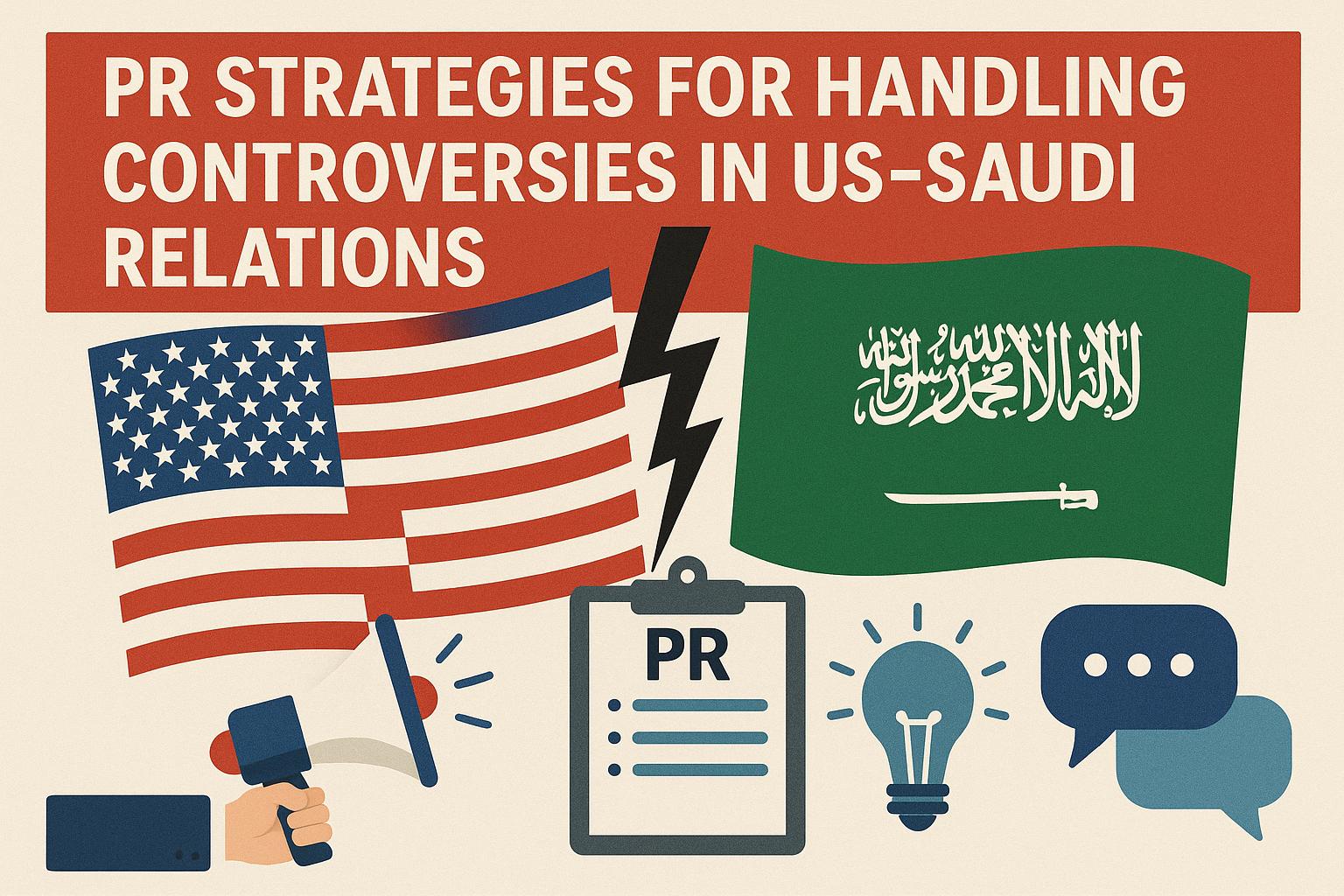
The complex and often controversial relationship between the United States and Saudi Arabia frequently attracts international attention and scrutiny. Navigating these waters requires strategic public relations (PR) approaches to maintain diplomatic ties while addressing contentious issues. This article delves into effective PR strategies that can be employed to handle controversies arising in US-Saudi relations.
Understanding Historical Context
Before developing any PR strategy, it is crucial to have a comprehensive understanding of the historical context of US-Saudi relations. This relationship, founded on economic and strategic interests, especially in energy and security, has faced numerous challenges over the decades. PR professionals must consider past events and their outcomes to craft messages that resonate with both the public and policymakers in both nations.
The diplomatic relationship between the United States and Saudi Arabia officially began in the 1930s, primarily driven by American interest in securing a reliable source of oil. Over the years, the partnership evolved to encompass broader political and military dimensions, particularly during the Cold War era, when the two countries found common ground in countering Soviet influence in the Middle East.
Despite the strong economic and military ties, critical challenges have periodically tested the alliance. The oil embargo of 1973, triggered by U.S. support for Israel during the Yom Kippur War, strained the relationship, demonstrating how quickly economic interests could conflict with political realities. Similarly, the 9/11 terrorist attacks, with several of the attackers being Saudi nationals, brought the alliance under intense scrutiny, prompting both nations to reevaluate aspects of their cooperation.
Addressing Key Issues
US-Saudi relations are often tested by controversial issues such as human rights, military engagements, and energy policies. Crafting PR strategies requires addressing these key issues transparently and effectively. For instance, PR teams might focus on the mutual benefits of collaboration in areas like counter-terrorism and economic partnerships to offset criticism about human rights concerns.
Human Rights Concerns
Human rights are frequently at the center of US-Saudi controversies. In response, a balanced PR approach involves acknowledging international concerns while highlighting the importance of ongoing dialogue and gradual reforms. Engaging with NGOs and international bodies can provide a platform to showcase any progress made.
Saudi Arabia’s record on human rights has frequently attracted global criticism, with issues ranging from male guardianship laws to freedom of expression. PR strategies addressing these concerns involve not only acknowledging the criticisms but also demonstrating a commitment to reform. Highlighting societal advancements, such as reforms enabling women to drive and changes in the guardianship rules, can serve to balance criticism with positive developments.
Military Cooperation
The US and Saudi Arabia often collaborate on military operations and arms sales, which can lead to public outcry, particularly during conflicts such as the conflict in Yemen. In such scenarios, PR efforts might emphasize the strategic importance of these alliances and the efforts to reduce civilian casualties and enhance humanitarian assistance.
The military relationship between the U.S. and Saudi Arabia is crucial for the stability of the region, yet it becomes particularly contentious during engagements that result in civilian harm. Effective PR strategies need to address both the immediate military objectives and the broader humanitarian impacts. Efforts should be made to publicize attempts at reducing casualties, such as precision targeting in military operations or increased humanitarian aid to affected regions.
Leveraging Media and Communication Channels
Effective communication is essential in addressing controversies. Employing a mix of traditional media and digital platforms ensures broad dissemination of key messages. Establishing a proactive media presence through press releases, interviews, and dedicated websites can help manage narratives and highlight positive aspects of the US-Saudi partnership.
Transparency and Consistency
Maintaining transparency and consistency in communication helps build trust and credibility. PR strategies should incorporate regular updates and factual briefings to keep stakeholders informed about developments and decisions. Being consistent in messaging across different platforms reinforces the intended narratives and counteracts misinformation.
Providing transparent communication involves regularly updating all parties—domestic and international—about the decisions and steps being taken. This can involve arranging monthly briefings with stakeholders or providing media with access to official reports and white papers. By maintaining a consistent voice across all platforms, from official statements to social media engagement, PR teams can more effectively build trust and assert control over the narrative.
Engaging Influencers and Thought Leaders
Influencers and thought leaders play a significant role in shaping public opinion. Collaborating with well-respected figures in both countries can amplify messages that promote understanding and cooperation. Engaging these individuals in public dialogues or co-authored opinion pieces can sway public sentiment positively.
Influencers with credibility in political, economic, or cultural fields can serve as intermediaries, helping to humanize the often abstract world of international relations. By collaborating with these individuals, whether through interviews, joint public appearances, or social media campaigns, the messaging can reach a wider and more diverse audience.
Crisis Management Techniques
In times of heightened controversy, having robust crisis management techniques is imperative. A swift and coordinated response can mitigate negative impacts and prevent escalation.
Preparedness and Training
Building readiness through scenario planning and regular training ensures that PR teams can respond effectively to various situations. This preparedness enables quick decision-making and efficient allocation of resources to address issues as they arise.
Simulation exercises and scenario planning sessions play a crucial role in crisis preparedness. They help PR teams anticipate potential controversies and prepare detailed response strategies. Training sessions for communication personnel ensure that everyone involved is familiar with the procedures and protocols for managing crises.
Clear Communication Channels
Establishing clear and direct communication channels with both internal stakeholders and the media helps disseminate accurate information rapidly. This immediate engagement is vital to control the narrative during controversies.
Having dedicated personnel or teams for media relations and stakeholder communications ensures that accurate information is prioritized. Rapid response teams equipped with pre-approved communication frameworks can quickly provide the necessary narrative control during crises, ensuring misinformation does not gain traction.
Empathy and Listening
Demonstrating empathy and actively listening to public concerns helps foster goodwill and understanding. PR strategies should incorporate platforms for dialogue where stakeholders can express grievances, and organizations can present their viewpoints, enhancing mutual respect and diplomacy.
Engagement through public forums or social media platforms allows for direct interaction between stakeholders and decision-makers. By providing a space where concerns can be aired and addressed, and responses can be tailored to show understanding and a willingness to engage, PR teams can bridge divides that often emerge in contentious situations.
Conclusion
Handling controversies in US-Saudi relations through strategic public relations involves a deep understanding of historical contexts, addressing key issues transparently, leveraging media platforms, and employing effective crisis management techniques. These strategic public relations practices ensure that the relationship between the two nations remains balanced and mutually beneficial. By working towards these goals, PR professionals can navigate challenges and foster improved diplomatic relations between the two nations. For further reading on the dynamics of international relations, you may explore resources provided by think tanks such as the Council on Foreign Relations.
This article was last updated on: April 12, 2026