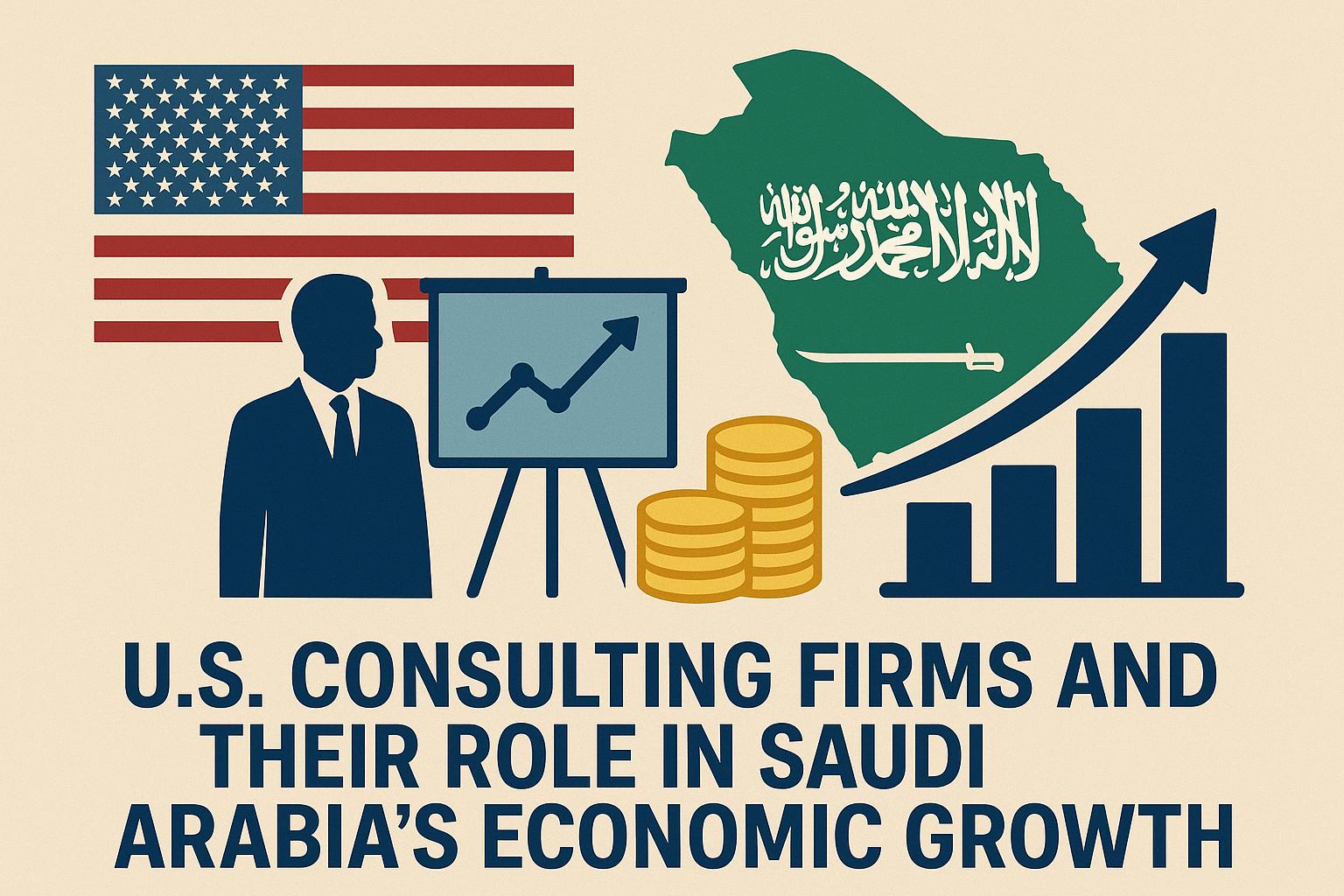

The Role of Business Councils in Strengthening US-Saudi Relations
Business councils play a pivotal role in facilitating and bolstering the economic and strategic ties between the United States and Saudi Arabia. These entities serve as platforms for dialogue, collaboration, and cooperation across various sectors, enhancing mutual understanding and fostering closer bilateral relations.
Facilitating Trade and Investment
Business councils act as crucial intermediaries that encourage trade and investment between the two nations. Through various forums and conferences, these councils provide opportunities for companies to engage in discussions about market trends, investment opportunities, and regulatory issues. This interaction helps American and Saudi businesses navigate each other’s markets more effectively, thereby potentially increasing bilateral trade volumes and investment flows. By bringing together diverse groups of stakeholders, business councils ease the process of entering new markets. They offer valuable insights into both the American and Saudi economic landscapes, covering aspects such as consumer behavior, legal requirements, and risk factors. Consequently, companies from both nations are better equipped to design strategies tailored to these markets, reducing potential barriers to entry and enhancing competitiveness.
Moreover, through trade delegations and business missions, councils facilitate visits that allow companies to explore the feasibility of market entry firsthand. This direct exposure enables businesses to identify potential partners, distributors, or representatives, fostering a conducive environment for sealing trade deals and joint ventures. Additionally, holding investment forums allows the showcasing of projects and opportunities, thereby attracting investors keen on tapping into emerging markets for mutual benefit.
Encouraging Policy Dialogue
Another significant function of business councils is to facilitate policy dialogue between American and Saudi stakeholders. By organizing meetings and policy discussions, these councils allow government officials, business leaders, and industry experts to discuss regulatory frameworks, bilateral agreements, and strategies to overcome trade barriers. Such dialogue can aid both countries in aligning their economic policies to better support bilateral commerce. Business councils frequently act as neutral platforms where policy issues can be discussed outside the constraints of formal diplomatic channels. This informal setting often leads to more open dialogue and creative solutions to policy-related conflicts or challenges, ultimately converging on policies that are mutually beneficial.
Through continual engagement, councils help smooth the way for formal agreements or memoranda of understanding (MOUs) aimed at improving conditions for trade and investment. They can often identify bottlenecks in current frameworks and work towards resolutions that make the economic environment more conducive to business. Additionally, the involvement of industry experts in these discussions ensures that policy dialogues are well-informed and includes viewpoints from multiple sectors, thereby creating a rich tapestry of ideas and solutions.
Promoting Cultural and Economic Understanding
Understanding cultural nuances is essential for successful business engagements. Business councils often engage in cultural exchange initiatives that promote better understanding between American and Saudi business communities. These initiatives might include cultural workshops, networking events, or educational programs that provide insights into each country’s business etiquette, market expectations, and consumer preferences. Such programs are not only about understanding cultural practices but also about learning historical contexts, values, and motivations that drive business decisions.
For American companies, this understanding is crucial when navigating the unique socio-economic landscape of Saudi Arabia. Likewise, Saudi businesses benefit from understanding the highly competitive and diverse economic environment of the United States. By focusing on cultural fluency, companies are better prepared to build strong, respectful partnerships that recognize and respect differences while working toward common goals. This heightened cultural literacy minimizes misunderstandings and can significantly smooth the way for collaborative business initiatives.
Networking Opportunities
By organizing networking events and business delegations, these councils provide a platform for companies to establish valuable connections. Such opportunities allow businesses to explore partnerships, share best practices, and identify potential areas for collaboration. These interactions can lead to joint ventures, strategic alliances, and other cooperative business endeavors that enhance economic ties. Networking opportunities often serve as incubators for innovative ideas and collaborative projects that may not originate from a formal meeting or dialogue.
These councils organize various activities, from roundtable discussions to industry-specific seminars, fostering environments where participants can openly exchange ideas and information. Participants often include decision-makers from both governments and private sectors, creating a fertile ground for nurturing new partnerships and collaborations. This high level of access allows smaller companies to establish critical relationships, which might otherwise be difficult to achieve.
Support for Small and Medium Enterprises (SMEs)
Business councils often pay particular attention to supporting small and medium enterprises (SMEs), which are vital components of both economies. By offering mentorship programs, educational workshops, and market entry assistance, these councils help SMEs navigate the complexities of international trade. This support is crucial for diversifying trade relationships and expanding economic participation beyond large multinational corporations.
The focus on SMEs is particularly noteworthy, as these enterprises are typically more innovative and flexible but may lack the resources to expand it. Business councils provide crucial support through initiatives like trade missions tailored specifically for SMEs or offering specialized advisory services that guide them through legal, financial, and operational landscapes.
Such tailored support ensures that SMEs have equal opportunities to engage in bilateral trade, contributing positively to innovation and employment in both countries. The backing for these smaller enterprises enables them to rise as competitive players on the global stage, enriching the bilateral economic relationship through diverse contributions.
Adapting to Changing Dynamics
As global economic landscapes evolve, business councils must adapt to changing dynamics by identifying emerging industries and opportunities. For instance, with Saudi Arabia’s Vision 2030 aiming to diversify its economy, councils have explored sectors such as renewable energy, technology, and tourism for potential collaboration. These efforts align with broader economic shifts and help ensure that bilateral relations remain robust amid changing global circumstances.
The forward-thinking nature of business councils allows them to anticipate potential areas of growth and position both countries to capitalize on these opportunities. By organizing exploratory seminars and meetings on cutting-edge topics, councils keep both bilateral partners informed and engaged with global trends. The focus on new fields of collaboration ensures that both industries remain competitive not only within their respective national borders but also on the international stage.
Strengthening Bilateral Trust
The continuous collaboration and dialogue fostered by business councils contribute to building mutual trust and understanding between the two nations. By addressing misunderstandings and facilitating transparent communication, these organizations help mitigate political and economic tensions that might otherwise hinder bilateral relations. Trust is an invaluable asset in international relations, providing a stable foundation upon which economic and strategic partnerships can be built.
Business councils achieve this trust by consistently delivering value through their programs and initiatives, acting as reliable partners in fostering solid and effective relationships between the involved countries. Moreover, trust is enhanced by maintaining transparency, where councils ensure that all dealings and communications are open and fair, further cementing the cooperation between these two nations.
Conclusion
In conclusion, business councils are indispensable in strengthening US-Saudi relations by promoting trade, facilitating policy dialogues, and enhancing cultural understanding. These efforts not only support existing business relationships but also lay the groundwork for future collaborations, ensuring a stable and prosperous economic partnership. As evolving economic landscapes necessitate adaptation and innovation, the strategic roles played by business councils remain crucial in steering US-Saudi relations toward a path of continual prosperity and cooperation. For more information on the activities and initiatives of US-Saudi business councils, visit the US-Saudi Arabian Business Council website.
This article was last updated on: February 22, 2026