The Role of Religious and Cultural Norms
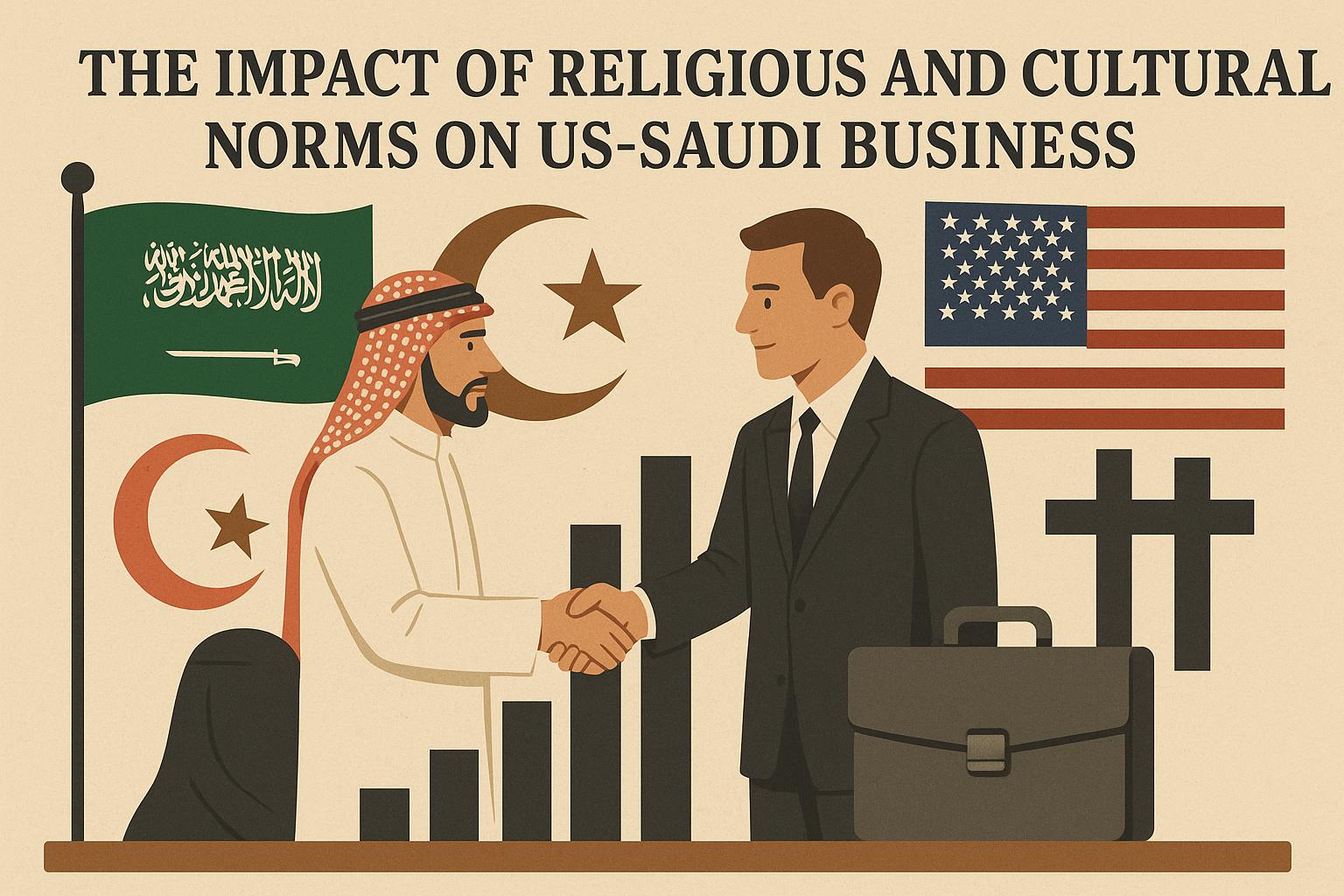
The interplay between religious and cultural norms heavily influences the business landscape in Saudi Arabia, shaping interactions and expectations for both local and international enterprises. To establish successful partnerships, especially those involving U.S. entities, understanding these nuanced aspects becomes imperative. The predominant religion, Islam, not only molds the lifestyles of the people in Saudi Arabia but also governs numerous business practices. This presents both challenges and opportunities for American businesses aiming to thrive in this unique and competitive market.
Religious Influence on Business Practices
Saudi Arabia’s business milieu is significantly influenced by Islamic principles, which permeate various aspects of life, ensuring that commercial activities align with religious norms. The ethical standards derived from Islamic teachings play a central role in guiding business transactions and decisions. For instance, Zakat, a form of almsgiving mandated as one of the Five Pillars of Islam, influences financial dealings. Companies are prompted to conduct their activities in ways that are not only ethically sound but also aligned with this principle. This includes contributing to the well-being of the community and adhering to socially responsible business conduct.
When considering the financial sector, one must acknowledge the impact of Islamic banking laws that prohibit traditional financial practices such as the collection and payment of interest. For U.S. companies, this translates to a need for innovative approaches to financing and investment, which respect these prohibitions. Engaging in Islamic banking means adopting alternative systems such as profit-sharing and leasing arrangements that comply with Sharia, the Islamic legal framework.
Cultural Norms and Business Etiquette
Beyond religious tenets, cultural norms profoundly shape the business environment in Saudi Arabia. Acknowledging and understanding these cultural differences is essential for fostering productive business relationships with Saudi partners.
Hierarchy and Respect: Saudi society values hierarchy deeply, and showing respect for seniority is fundamental. Decision-making is often centralized among top executives, which necessitates the need for potential partners to cultivate relationships with key decision-makers. Understanding and respecting this hierarchical structure can significantly enhance communication and facilitate smoother negotiation processes.
Communication Style: Whereas American business culture often emphasizes directness, in Saudi Arabia, communication tends to be more personal and indirect. Building trust and establishing a personal connection are critical prerequisites for any business discussion. This emphasizes the importance of patience and respect in networking and communication strategies for U.S. enterprises.
Time Perception: Flexibility with time is another important cultural aspect. While punctuality is appreciated, a more laid-back attitude towards deadlines is common. Understanding this temporal flexibility can aid U.S. companies in setting realistic timelines and expectations when collaborating with Saudi counterparts.
Adapting Business Strategies
For American companies aiming to succeed in the Saudi market, adapting business strategies to resonate with these religious and cultural norms is vital. This can involve a range of tactical adjustments and initiatives.
To begin with, providing comprehensive training for employees on cultural sensitivity and religious practices is crucial. This ensures that the workforce is well-equipped with the knowledge and skills necessary to navigate the complex socio-cultural landscape effectively.
Incorporating Islamic values into corporate social responsibility initiatives is another strategic adaptation that can enhance a company’s presence and reputation in Saudi Arabia. Such alignment with local values not only supports ethical business practice but also fosters goodwill and acceptance within the community.
Building partnerships with local businesses is also a promising approach. These partnerships offer valuable insights into the Saudi market while allowing U.S. companies to leverage established networks. Collaborating with local entities can facilitate smoother entry and operation within the market, thereby enhancing business prospects.
Conclusion
In navigating the complex intersection of religious and cultural norms within U.S.-Saudi business relations, a nuanced understanding is key. Companies must strategically adapt their operations to integrate these principles and practices. By showcasing a deep respect for and commitment to Islamic principles and cultural values, U.S. businesses can not only foster positive partnerships but also position themselves to thrive in the competitive Saudi market.
This article was last updated on: April 19, 2026