The Influence of Media Narratives
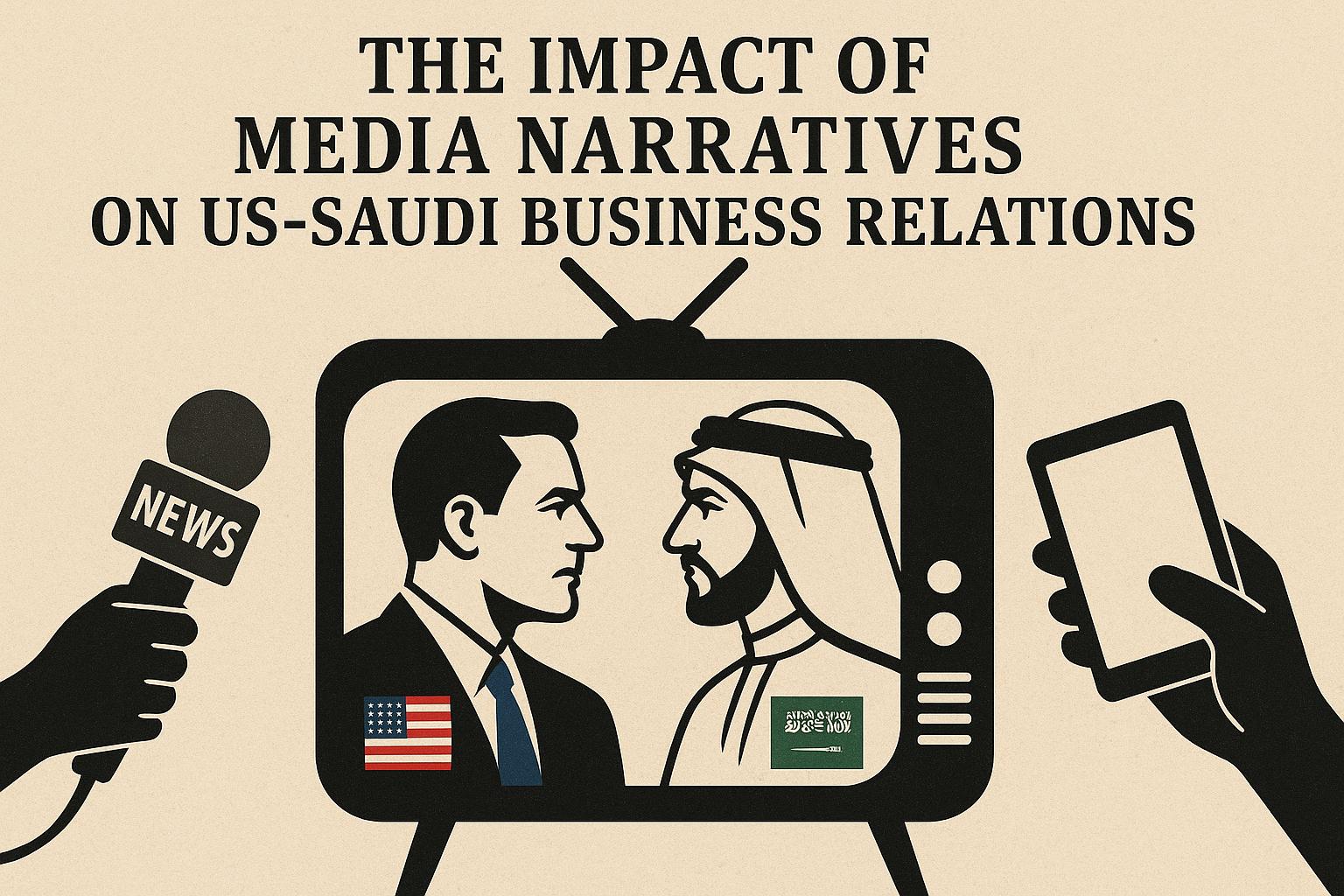
The role of the media in shaping public perception is undeniable, with significant ramifications for international business relations. In particular, the interplay between media narratives and US-Saudi business relations highlights how strategic decisions are deeply influenced by the way in which issues are presented and interpreted in various media outlets. Within this framework, media platforms accentuate issues such as human rights, economic policies, or geopolitical dynamics, all of which hold the power to sway both public opinion and governmental approaches. These narratives serve as a lens through which the complex dynamics of international relations are viewed and understood, functioning as a critical determinant in the evolution of business strategies and policy making.
The Role of Traditional Media
For decades, traditional media outlets, including television, newspapers, and radio, have served as fundamental channels through which narratives about international relations are disseminated. In the realm of US-Saudi interactions, these platforms have often provided detailed analyses that can either bolster diplomatic and economic ties or introduce complications. The impact of this coverage extends to shaping public perception and influencing decisions made by businesses. Examples abound, such as focused coverage on political events or economic reforms happening within Saudi Arabia, which can alter American public opinion. As a result, decisions by US businesses that are in the process of contemplating ventures in the Kingdom become subject to the sway of how these events are reported. This interrelationship between media presentation and corporate decision-making underscores the importance of understanding the media’s engrained role in international business discourse.
New Media Platforms
The landscape of media has shifted dramatically in recent years, with the rise of new media platforms like social media and digital news outlets. These platforms have emerged as powerful players in the rapid dissemination of information. They offer real-time updates and reactions from both official figures and the general public, transforming the ways in which businesses and policymakers interact with unfolding narratives. The immediacy afforded by social media platforms enables narratives to spread swiftly, creating pressure on entities to respond to issues almost instantly. The phenomenon of social media campaigns and viral content has the capability to spotlight specific issues, which can significantly affect US-Saudi business relations. Whether through the amplification of positive initiatives or the exacerbation of negative incidents, new media platforms wield considerable influence over the shaping of public perception and the subsequent decision-making processes of corporations and governments alike.
Case Study: The Khashoggi Incident
The tragic murder of journalist Jamal Khashoggi in 2018 serves as a stark example of the media’s profound impact on international business relations. Global media outlets extensively covered the incident, leading to a noticeable shift in the dynamics between US businesses and Saudi Arabia. As media scrutiny intensified, human rights considerations were thrust into the spotlight, prompting various companies to reconsider their investments and strategic alignments with the Kingdom. This scenario illustrates how comprehensive media coverage can elevate specific issues to the forefront of public attention, compelling businesses to reassess their positions and strategies amidst heightened public and media scrutiny. Moreover, the case exemplifies how media narratives can transcend initial coverage to bring about long-lasting implications for business landscapes.
Long-Term Implications
The influence of media narratives on US-Saudi business relations is both immediate and enduring. Businesses operating on the international stage may adopt more cautious approaches in the wake of intense media scrutiny. They often integrate media sentiment into their risk assessment frameworks and decision-making processes, becoming more sensitive to the potential ramifications of media narratives on their reputations and business operations. Moreover, sustained media attention on specific issues can precipitate long-term policy changes that influence economic relations and corporate strategies. This continuous engagement between media narratives and policy formation highlights a crucial component of international business strategy that stakeholders must navigate to sustain successful operations and relations on the global stage.
For individuals interested in the intricate relationship between media and international business, further exploration is encouraged. Several authoritative sources such as Foreign Policy and Brookings Institution provide a wealth of articles and analyses that delve deeper into the nuances of this dynamic interplay. These resources offer comprehensive insights into the evolving nature of media influence on global business environments and the multifaceted responses elicited from both corporations and governments.
This article was last updated on: July 5, 2026