The Current Framework of US-Saudi Banking and Financial Ties
The relationship between the United States and Saudi Arabia in the financial and banking sector is deeply rooted, characterized by mutual interests and strategic partnerships. The two nations have maintained stable economic relations through extensive trade agreements, foreign direct investment, and collaborative financial ventures. Key institutions play pivotal roles in sustaining and developing these ties, including the Saudi Central Bank and major US financial entities.
Historical Context and Economic Interdependence
The bilateral relationship between the US and Saudi Arabia dates back decades, primarily driven by oil trade and related economic activities. Over time, this relationship has evolved, with banking and finance emerging as critical areas of collaboration. Saudi Arabia’s role as a major oil producer means that significant financial resources, including revenue from fossil fuel exports, are often funneled into US financial systems as investments in securities, bonds, and other financial instruments. This interconnectedness has strengthened economic ties, providing a robust platform for continued cooperation and shared prosperity in the global arena.
Investment and Financial Policy
Saudi investments in US assets contribute significantly to the financial collaboration between the two countries. The US remains a popular destination for Saudi investments, driven by the stability of American financial markets. In recent years, there has been a focus on diversifying and modernizing Saudi Arabia’s economic portfolio, as seen in initiatives such as Vision 2030. This strategic framework seeks to reduce Saudi dependence on oil revenue and foster growth in sectors like technology and entertainment, which requires substantial foreign investment and partnerships with US businesses. The drive to expand into new sectors necessitates an adaptive and agile financial policy landscape, accommodating shifts in economic focus and ensuring sustainable development.
The Role of Sovereign Wealth Funds
Saudi Arabia’s Public Investment Fund (PIF) is a cornerstone of cross-national investment activities, playing a critical role in channeling Saudi capital into profitable ventures globally, including tech start-ups and infrastructure projects in the US. PIF’s investments are aligned with both economic growth objectives and strategic partnerships in emerging markets. The fund’s activities not only support diversification efforts within Saudi Arabia but also contribute to the economic dynamism of partner countries. Through strategic investments, the PIF actively participates in shaping the global economic landscape, fostering innovation and development across multiple industries.
Regulatory and Technological Developments
Advancements in financial technology and regulatory environments are shaping the future of US-Saudi banking relations. Both countries recognize the importance of embracing fintech innovations to enhance transactional efficiency and financial security. Regulatory bodies in both nations continue to collaborate on combating financial crimes through anti-money laundering (AML) measures and ensuring compliance with international financial standards. Initiatives to strengthen digital infrastructure and cybersecurity are key components of this evolving landscape, aimed at building resilient and secure financial systems that can withstand emerging threats and challenges.
Challenges and Opportunities
Despite strong ties, several challenges loom over the US-Saudi financial relationship. Political tensions and policy shifts can impact financial agreements, while economic diversification in Saudi Arabia might alter traditional investment patterns. The ongoing evolution of global economic dynamics requires careful navigation and strategic foresight to maintain stability and mutual benefits. However, these challenges are outweighed by numerous opportunities, such as expanding collaboration in technology-driven financial services and mutual efforts to advance sustainable economic practices. By leveraging advances in technology and fostering innovation, both countries can explore new avenues for growth and development, strengthening their financial partnership in the process.
In addressing these challenges and opportunities, there is a critical need for flexibility and adaptability in policy frameworks and economic strategies. The ability to respond effectively to changing global conditions will be a determining factor in the long-term success of US-Saudi financial relations. As both nations work to build on their existing ties, maintaining open channels of communication and fostering collaborative efforts will be essential to achieving shared objectives and driving progress in a dynamic international landscape.
Conclusion
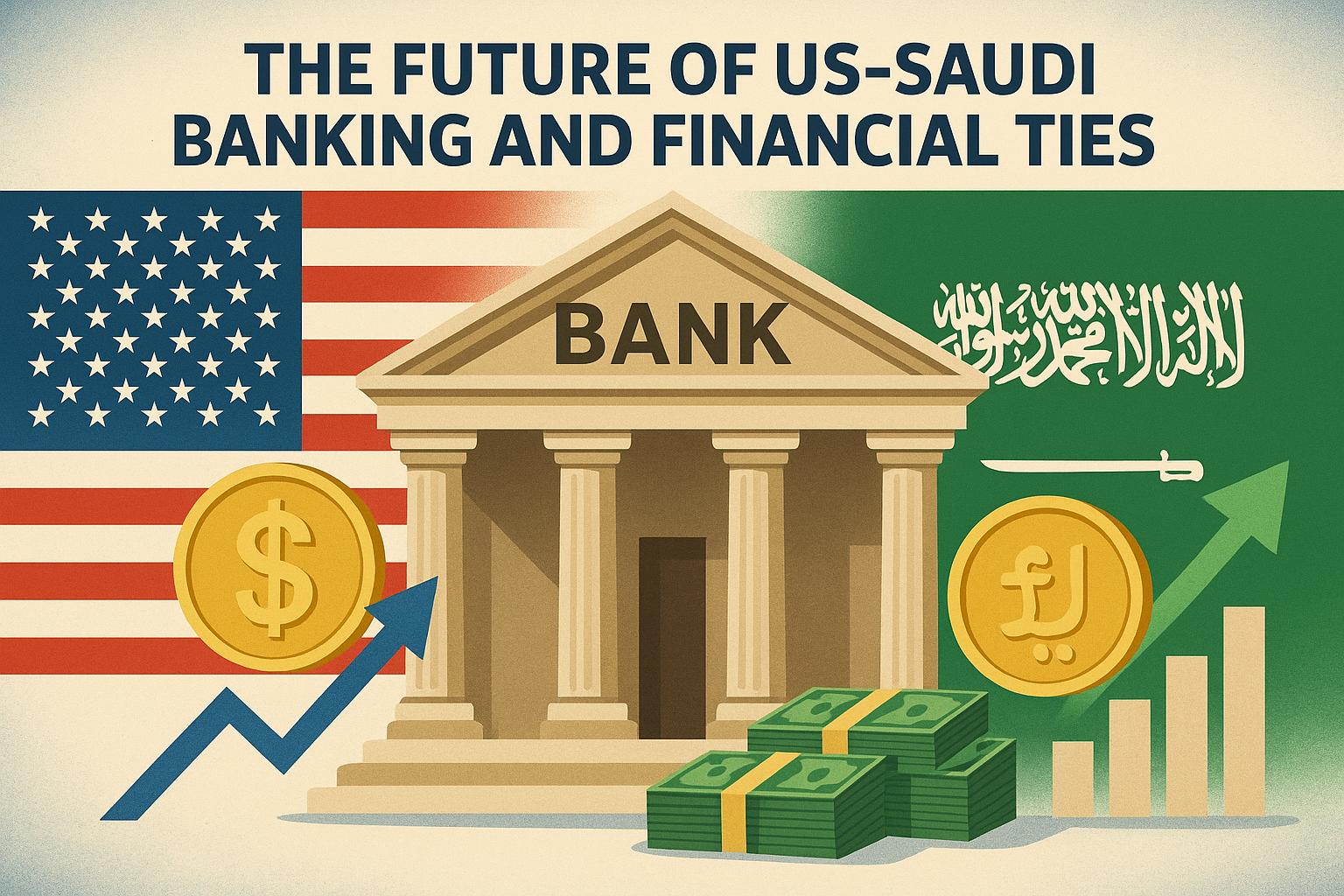
The future of US-Saudi banking and financial ties will likely be shaped by how both countries navigate emerging global economic trends and regulatory challenges. Continual dialogue and strategic partnerships are essential to leveraging each nation’s strengths, ensuring ongoing mutual benefits, and promoting stability in the global financial landscape. With a shared commitment to progress and innovation, the US and Saudi Arabia can continue to enhance their financial relationship, contributing to economic resilience and prosperity on a broader scale.
Both nations stand to gain from improved integration of technology and increased collaboration in financial sectors, providing a solid foundation for future growth. Successful management of these complex interdependencies will require strategic foresight, careful planning, and a commitment to fostering mutual trust and cooperation. For more insights on US-Saudi relations beyond finance, consider exploring other resources from expert analysts and financial institutions to gain a deeper understanding of the broader context influencing this important bilateral relationship.
This article was last updated on: July 19, 2026