
Introduction to US-Saudi Educational Collaboration
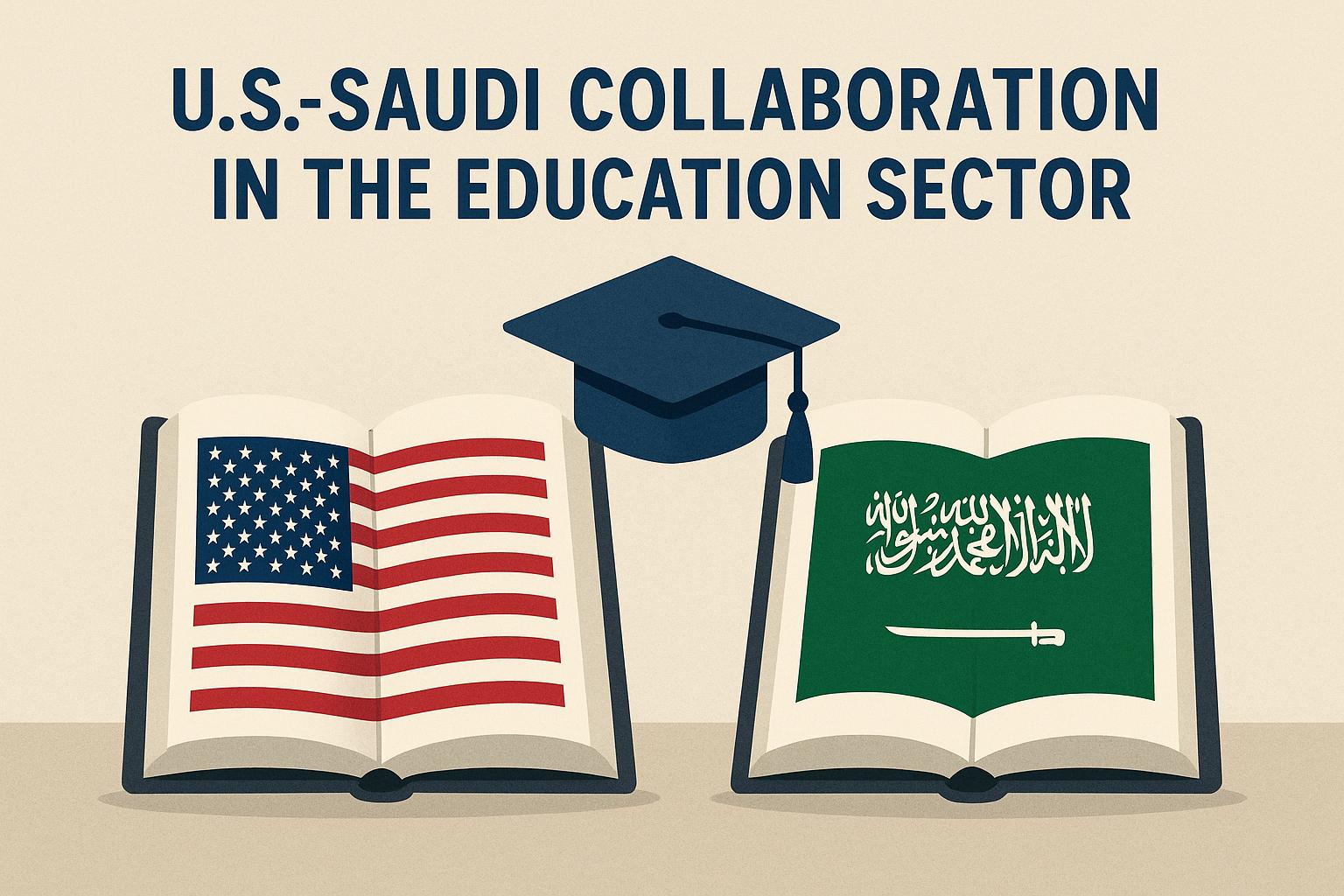
The collaboration between the United States and Saudi Arabia in the education sector is a noteworthy component of their bilateral relationship. This educational partnership between the two countries has developed progressively over the years, focusing on various initiatives that aim to promote academic exchange, research, and development. By leveraging their respective strengths and resources, these nations aim to enhance educational opportunities not only for their students but also as part of a larger objective to contribute to global knowledge sharing. Throughout this article, we will delve into the various facets of US-Saudi educational collaboration, exploring the benefits, challenges, and initiatives that define this dynamic partnership.
Key Areas of Collaboration
The collaboration between the US and Saudi Arabia within the realm of education spans various domains, each playing a crucial role in fostering mutual understanding and progression in educational standards. These collaborative efforts include student exchanges, institutional partnerships, and joint research programs, all of which have contributed to the robustness and depth of the relationship.
1. Student Exchange Programs:
A significant aspect of US-Saudi educational collaboration is the flow of students between the two countries. This exchange has been particularly beneficial in providing educational exposure and diverse academic experiences to the students involved. Saudi students frequently seek higher education opportunities in the United States, taking advantage of the country’s renowned universities and extensive research facilities. For these students, the United States offers a diverse pool of academic programs, ranging from liberal arts to highly specialized technical fields. The environment in the US encourages critical thinking, innovation, and a holistic understanding of global issues, thereby equipping Saudi students with skills and knowledge that prove beneficial upon their return.
Conversely, American students are also given opportunities to study in Saudi Arabia, immersing themselves in the rich cultural heritage and unique academic environments of Saudi institutions. This exposure not only broadens the educational horizons of American students but also fosters a deeper cultural understanding and mutual respect between the nations. The experience can significantly impact their personal and professional development, enabling them to navigate and appreciate diverse global perspectives.
2. Institutional Partnerships:
Formal partnerships between universities and educational institutions in both countries have also been established. These institutional linkages serve to facilitate faculty exchanges, collaborative research projects, and specialized training programs. For example, faculties from American universities often engage in teaching or research assignments in Saudi Arabia, thereby contributing to the academic growth in the host country. On the other side, this interaction provides Saudi educators and researchers opportunities to contribute to and learn from the innovative practices within American higher education.
These partnerships are vital for developing comprehensive educational curricula, addressing emerging educational needs, and fostering innovation. They also serve to bridge the gap between educational methodologies applied in both countries, promoting a balanced exchange where both sides mutually benefit and learn from one another.
3. Research and Innovation:
Joint research initiatives are yet another cornerstone of US-Saudi educational collaboration. Such collaborative research projects typically focus on areas of mutual interest and concern, such as energy solutions, advancements in technology, healthcare improvements, and environmental sustainability. These projects yield innovative solutions and outcomes that contribute significantly to both countries’ academic and practical knowledge bases.
In areas like energy, where both countries have vested interests and extensive experience, collaborative research can lead to groundbreaking advancements that not only benefit the nations involved but also offer solutions to global energy challenges. Similarly, in healthcare and technology, both countries aim to leverage combined expertise to address pressing issues, innovate new technologies, and improve overall quality of life. The collaborative frameworks support an influx of ideas and expertise, often leading to synergies that might not be realized in isolation.
Government and Private Sector Involvement
One of the defining features of US-Saudi educational collaboration is the involvement of both the governmental and private sectors. This dynamic collaboration ensures the mobilization of substantial resources and efforts towards effective educational partnerships. The governments of both countries have developed various agreements and scholarship programs to encourage academic and cultural exchanges. These governmental initiatives are supported by considerable funding and well-thought-out policy frameworks designed to streamline and promote collaboration.
Moreover, beyond governmental efforts, private sector organizations and foundations play a significant role as well. These entities invest in educational infrastructure, offer scholarships, and support various collaborative projects. Their investment helps create sustainable pathways for the continuation and expansion of educational collaboration. The participation of stakeholders from both the public and private sectors not only strengthens existing relationships but also builds a diversified support system that can adapt to evolving educational needs and contexts.
Challenges and Opportunities
While there are numerous opportunities arising from US-Saudi educational collaboration, challenges must also be acknowledged. Differences in educational systems can pose significant challenges. The differing pedagogical approaches, educational structures, and accreditation standards can sometimes make collaborations complex. Additionally, cultural nuances and logistical hurdles, such as visa regulations and administrative requirements, can create barriers to smooth exchanges and interactions.
However, these challenges also present opportunities. They are often addressed through continuous dialogue, adaptability, and strategic planning. Collaborative frameworks and regular communication between educational institutions and governments help mitigate these challenges, allowing for the development of more flexible and inclusive programs.
The potential benefits of this collaboration are immense. Enhanced educational exchanges foster a better understanding of diverse cultural and societal perspectives. Joint research efforts can lead to technological advancements, innovations in healthcare, and solutions to environmental challenges. Furthermore, the softer skills of mutual respect and understanding cultivated through these exchanges contribute to broader diplomatic and social harmony.
Conclusion
The collaboration between the US and Saudi Arabia in the education sector remains a dynamic and impactful aspect of their bilateral relationship. By prioritizing student mobility, institutional partnerships, and joint research initiatives, both nations continue to build bridges of knowledge and understanding. This collaboration not only enhances educational opportunities for students and faculty from both countries but also contributes to the broader objective of global knowledge sharing. For those interested in exploring specific programs and partnerships further, the EducationUSA and the Saudi Ministry of Education websites provide more detailed insights and resources.
This article was last updated on: August 25, 2026