The Role of Ethics in US-Saudi Business Relations
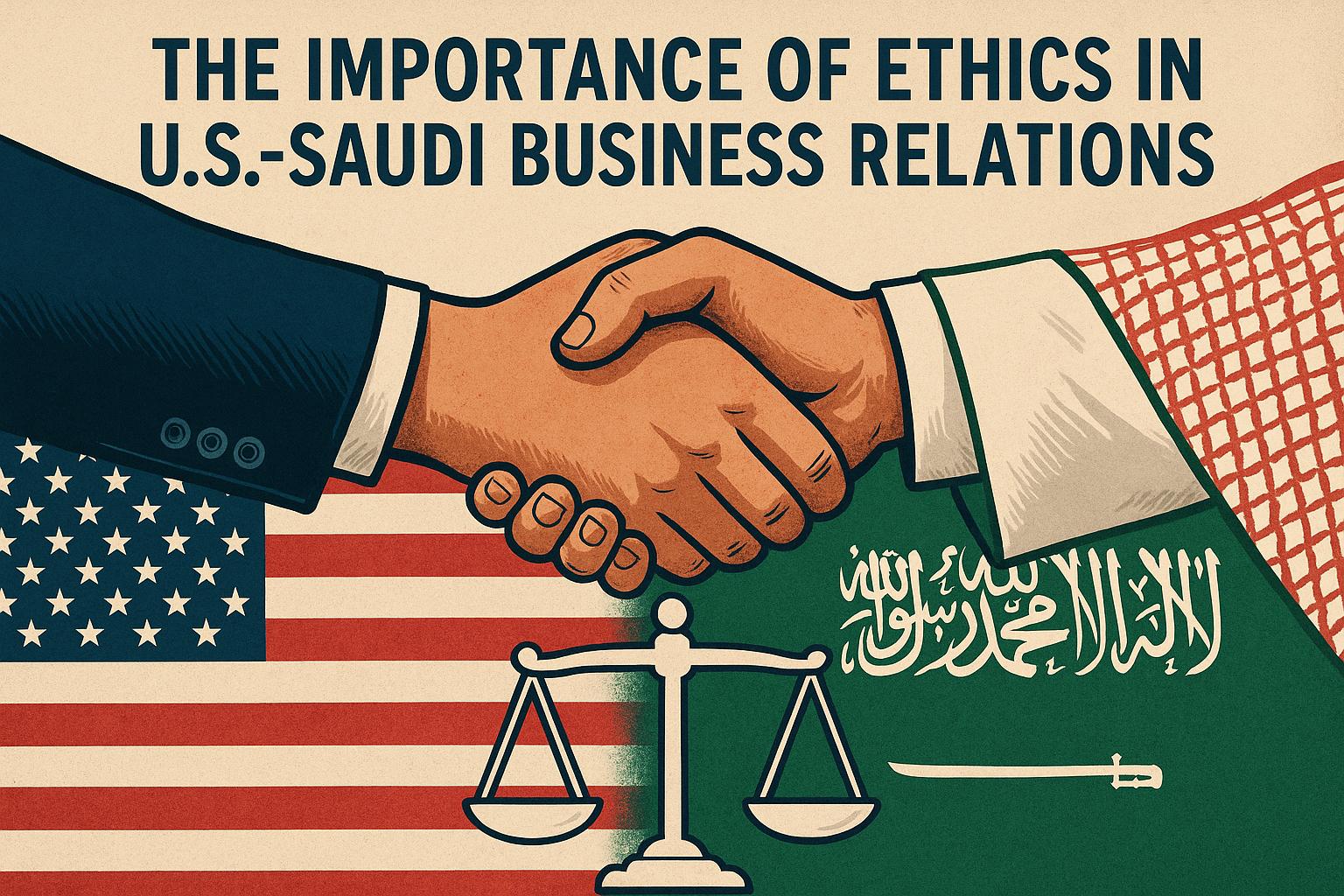
The relationship between the United States and Saudi Arabia has long been characterized by significant economic and political interdependence. A critical component of this dynamic is the ethical framework underpinning business relations. Ethical considerations often steer the direction and depth of economic partnerships, influencing everything from trade agreements to corporate governance practices.
Historical Context
The business and diplomatic relationship between the US and Saudi Arabia dates back to the 1930s, primarily driven by oil interests. Over the decades, both nations have forged strong economic ties. However, this alliance has undergone various phases of scrutiny due to ethical concerns spanning human rights and political governance in Saudi Arabia.
During the early years of their alliance, oil was the central focus, with American companies heavily involved in the exploration and extraction of this resource. This pivotal industry laid the groundwork for comprehensive economic cooperation. Yet, as the relationship evolved, questions regarding the ethical aspects of doing business became increasingly prominent. While oil remained a key facet, other sectors also gained importance, necessitating a broader and more nuanced approach to ethical considerations.
Importance of Ethics in Business
Ethical practices in business are crucial for maintaining trust and credibility. In the context of US-Saudi relations, adhering to ethical standards is necessary not only for safeguarding business operations but also for promoting sustainable long-term partnerships. Companies involved in cross-border transactions are increasingly expected to conform to global ethical norms, such as those regarding transparency, corporate social responsibility, and human rights.
The essence of maintaining high ethical standards lies in fostering trust among stakeholders, including customers, partners, governments, and the broader public. This trust serves as a bedrock for any lasting business endeavor, as it boosts reputation and helps cultivate an environment where businesses can thrive. Moreover, operating ethically minimizes the risks associated with legal complications and sanctions, which are particularly pertinent in international dealings where diverse legal systems and regulations converge.
Human Rights Considerations
A significant ethical concern in US-Saudi business dealings relates to human rights issues. International companies are often called upon to ensure their operations do not contribute to or endorse violations. Embedding ethical standards in business practices can help companies maintain their reputations and align with international norms.
Human rights considerations are not just a matter of compliance; they are integral to the corporate ethos in today’s business environment. Companies must navigate these concerns carefully, especially in regions where human rights records are under scrutiny. In many instances, ensuring that a company does not inadvertently support violations through its supply chain or operations proves to be a challenging yet necessary endeavor.
Impact on Investment and Trade
The ethical dimension of business relations can directly affect investments and trade activities. Companies seen as aligning with ethical principles often attract more investors, enhancing their business prospects. Similarly, ethical practices contribute to smoother trade transactions by mitigating the risk of sanctions or legal complications.
Ethical standards significantly influence investor confidence. Investors, particularly socially responsible ones, prioritize companies that demonstrate strong ethical practices. This preference can become a decisive factor when businesses in the US and Saudi Arabia seek capital for expansion or other projects. Moreover, ethical considerations play a vital role in securing and maintaining regulatory approval, an aspect crucial for conducting smooth trade operations.
Furthermore, clear ethical guidelines help businesses navigate complex regulatory environments, especially in sectors like defense and energy, where US-Saudi engagements are intensely scrutinized. For additional information on ethics in international business, official resources like those provided by the U.S. Department of State can be insightful.
The Way Forward
For US and Saudi businesses, adopting an ethical framework is not merely a statutory requirement but a strategic advantage. Continued dialogue and collaboration on ethical practices can enhance mutual trust and economic growth.
Strengthening this ethical framework requires concerted efforts from both countries, which must prioritize transparency, accountability, and corporate social responsibility. Regular dialogue and exchanges among business leaders and policymakers can serve to harmonize efforts, ensuring that ethical standards remain at the forefront of bilateral business activities.
As global attention to ethical issues in business continues to intensify, both countries may benefit from reinforcing their commitment to these principles in fostering their economic partnership. This ongoing effort towards integrating ethics more thoroughly into business dealings can provide a robust foundation for future US-Saudi relations.
Looking ahead, the importance of ethics in international business is likely to grow, driven by a global economy that increasingly values sustainability and social responsibility. For US and Saudi corporations, this presents an opportunity to further cement their partnership by committing to ethical practices that align with these evolving global standards. Consistent dedication to ethical considerations can not only strengthen economic ties but also contribute to a more equitable and sustainable global business environment.
This article was last updated on: August 16, 2026