Overview of Saudi Arabia’s Economic Vision
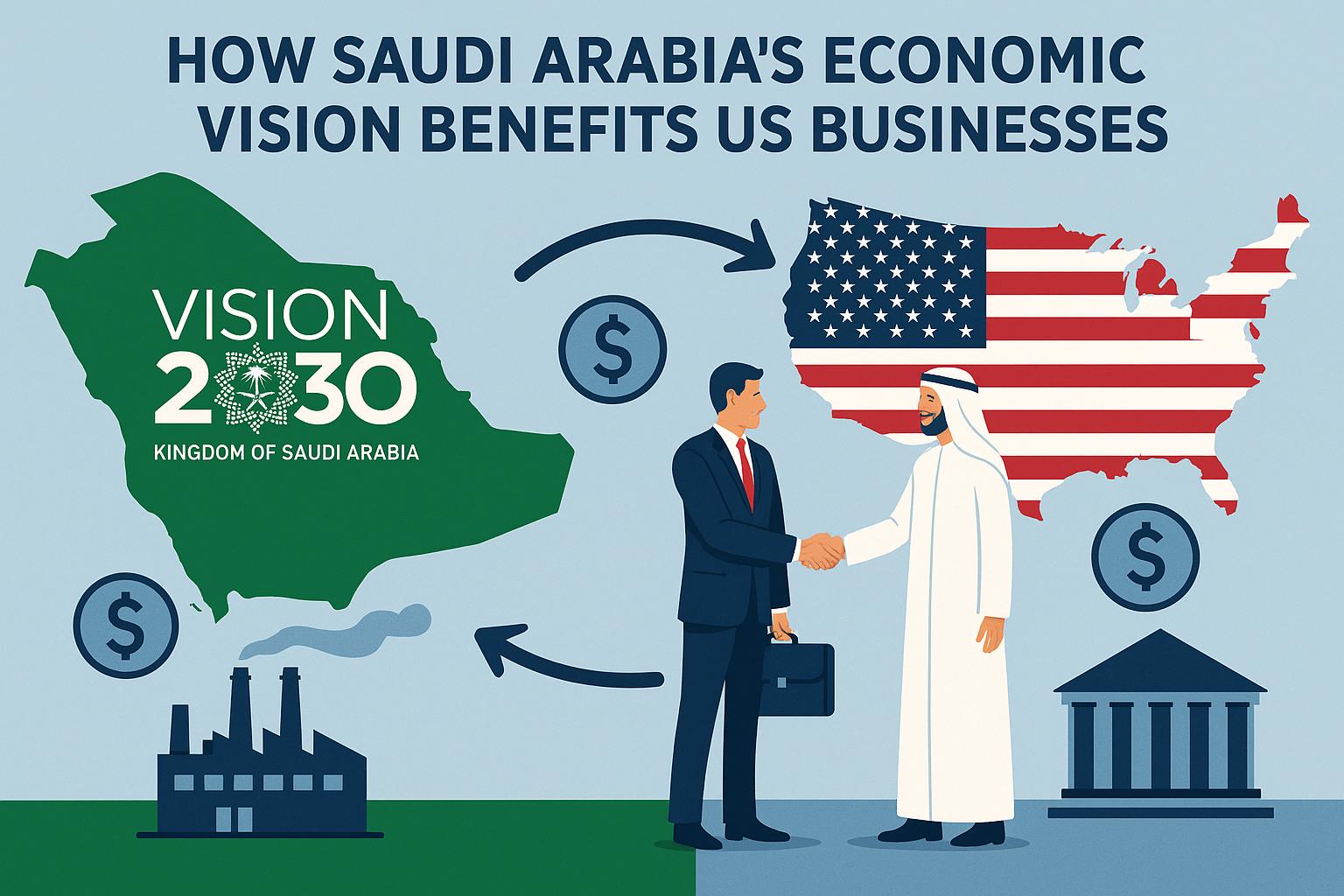
Saudi Arabia’s Economic Vision, commonly known as Vision 2030, represents a transformative plan designed to reduce the kingdom’s reliance on oil and to diversify its economic portfolio significantly. Initiated in 2016 by Crown Prince Mohammed bin Salman, Vision 2030 extends beyond oil to encompass various sectors, including but not limited to infrastructure, tourism, entertainment, and information technology. This ambitious blueprint not only calls for massive foreign investment but also presents numerous prospects for US businesses to build a robust presence in the Middle East.
Investment Opportunities in Infrastructure
One of the primary pillars of Vision 2030 is its emphasis on infrastructure development. With a planned investment exceeding $100 billion, Saudi Arabia is poised to embark on a multitude of infrastructure projects. These projects are not confined to the construction of new cities but also include the creation of comprehensive transportation networks and renewable energy facilities. For US firms with specialization in construction, engineering, and project management, Vision 2030 offers a fertile ground for securing substantial contracts and engaging in joint ventures. The kingdom’s commitment to modernizing its infrastructure is aimed at improving domestic logistics and positioning the country as a central hub in the region.
Technological Advancements and Innovation Partnerships
Vision 2030 casts a spotlight on technological advancement and the cultivation of a knowledge-based economy. Saudi Arabia is intent on establishing itself as a pivotal hub for technology and innovation. To achieve this, the kingdom is investing in digital transformation initiatives and promoting partnerships in sectors like artificial intelligence (AI), cybersecurity, and smart city developments. US technology firms are well-positioned to benefit by contributing to technology transfer arrangements, participating in research and development activities, and offering digital solutions tailored to the specific needs of Saudi Arabia. Such collaborations are likely to foster a technologically vibrant environment, propelling the nation towards achieving its digital economy goals.
Opportunities in the Tourism and Entertainment Sector
The diversification strategy under Vision 2030 aims to expand Saudi Arabia’s tourism and entertainment sectors. With a strategic goal of amplifying tourism’s contribution to the Gross Domestic Product (GDP), the government is working to boost the appeal of cultural, historical, and leisure attractions across the country. This growth avenue presents ample opportunities for US companies in the fields of hospitality, entertainment, and cultural management. These enterprises can collaborate through partnerships or offer consultancy services to support the burgeoning tourism sector, thereby benefiting from the expanding market.
Financial Services Sector Expansion
Besides infrastructure and tourism, Vision 2030 seeks to modernize and expand Saudi Arabia’s financial services sector. This expansion is designed to create a more welcoming environment for investment banks, private equity firms, and insurance companies. The kingdom’s strategy to integrate with global financial markets opens doors for US financial institutions to enter partnerships or establish operational subsidiaries. Such moves enable them to tap into new clientele and markets, extending their influence within the region. The resultant synergy from these endeavors is expected to fortify Saudi Arabia’s financial sector as a competitive player on the international stage.
Environmental and Renewable Energy Initiatives
Aligned with global sustainability initiatives, Saudi Arabia is placing a strong emphasis on renewable energy projects as part of Vision 2030. This involves harnessing solar and wind power to generate a substantial portion of its energy needs from renewable sources by the year 2030. For US companies with expertise in renewable technology, energy efficiency, and environment-friendly solutions, this presents an opportunity for engaging in cooperative projects. They can provide technological inputs and offer operational management services, contributing to Saudi Arabia’s transition towards sustainable energy solutions.
For a more comprehensive understanding of the economic vision and the potential pathways for involvement, interested parties may consult official resources from Saudi Arabia’s governmental bodies or review industry-specific reports from US business associations. As Vision 2030 unfolds, it promises to reshape the economic landscape of Saudi Arabia while simultaneously offering numerous business opportunities for international partners.
This article was last updated on: August 30, 2026