The Influence of Media Partnerships on US-Saudi Relations
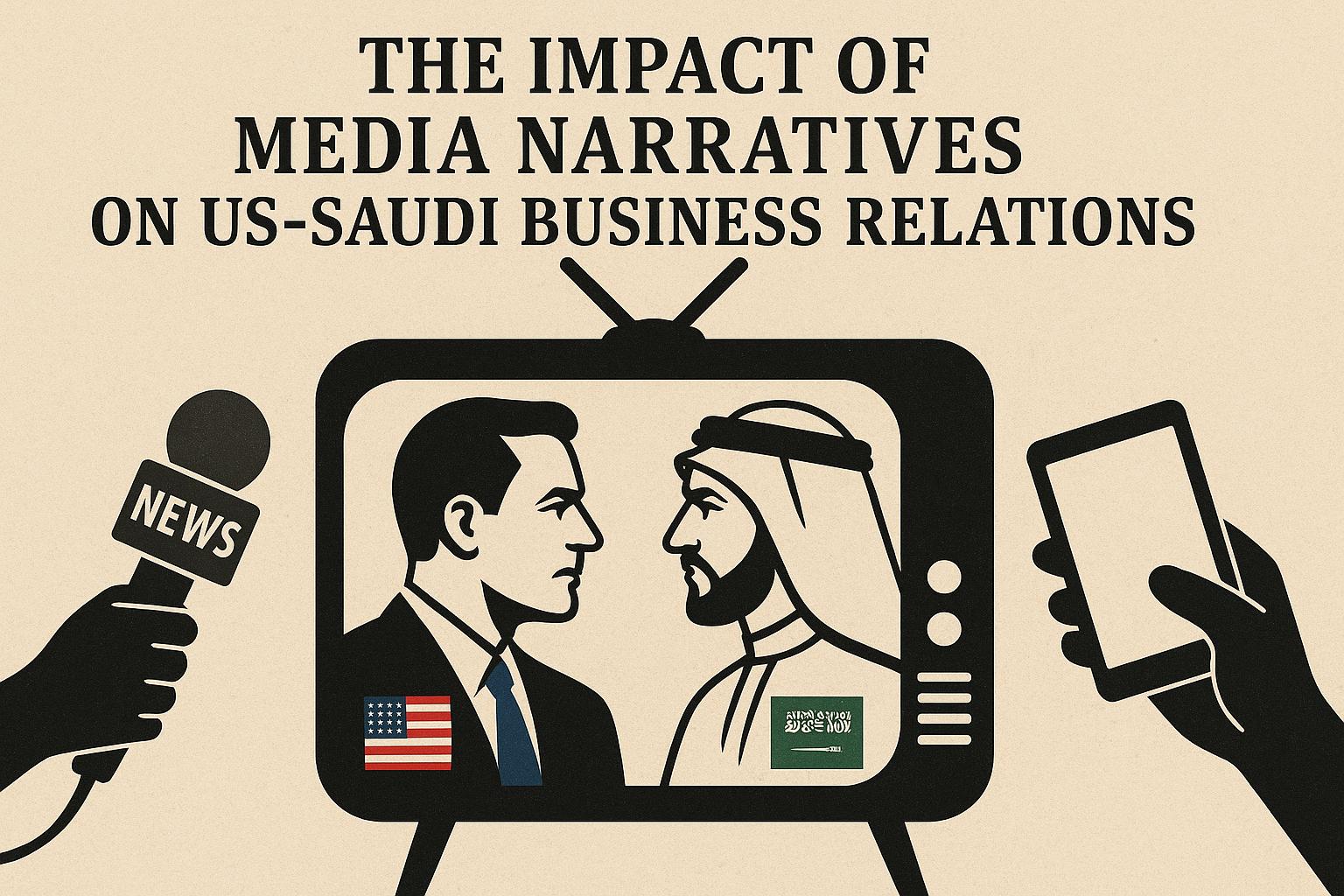
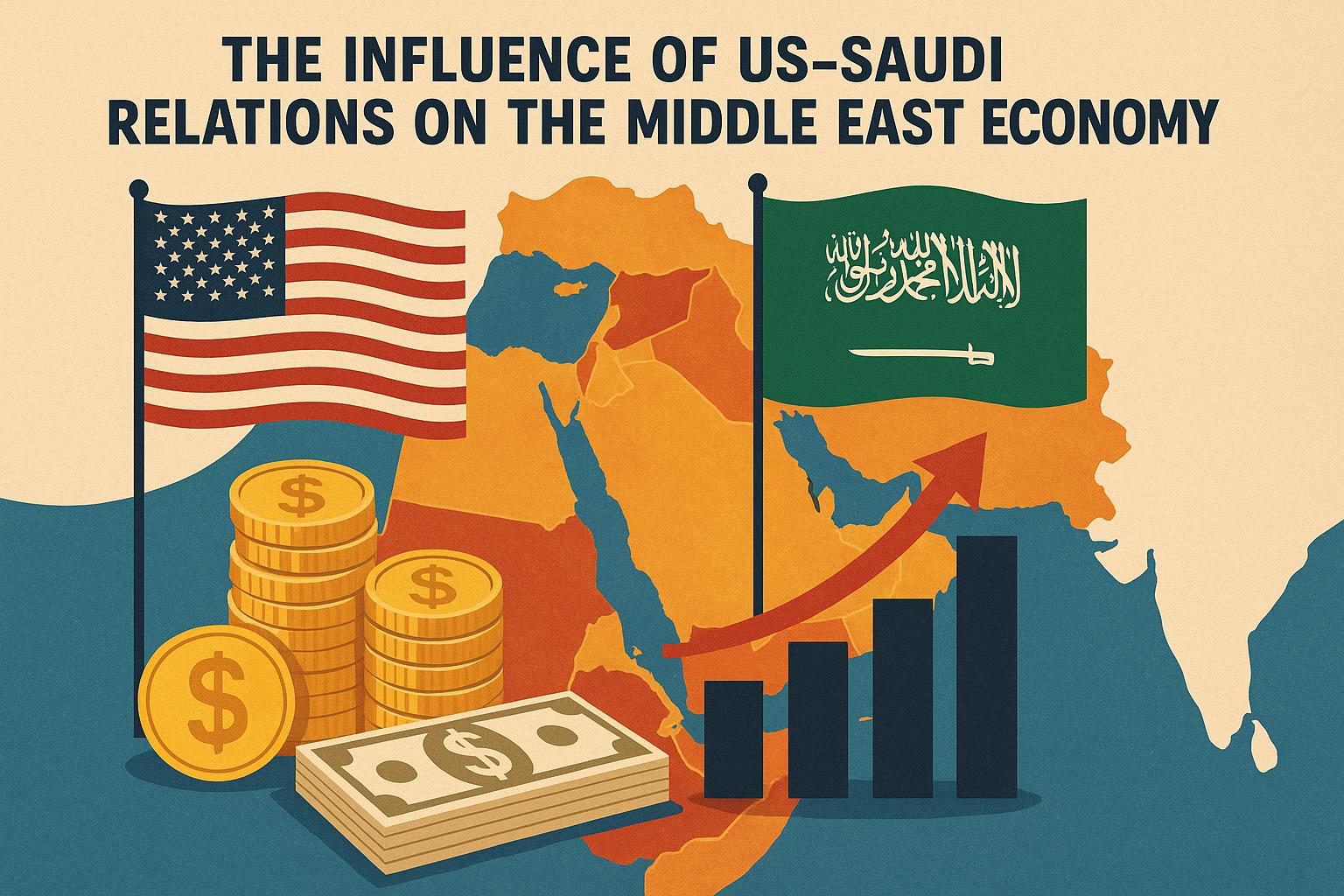
The dynamics of US-Saudi relations have long been underpinned by strategic, economic, and political interests. Amid these factors, media partnerships have emerged as a pivotal, albeit less discussed, aspect influencing bilateral relations. These partnerships serve as significant conduits for shaping public perception and facilitating communication between the two nations.
The Role of Media in Diplomatic Engagements
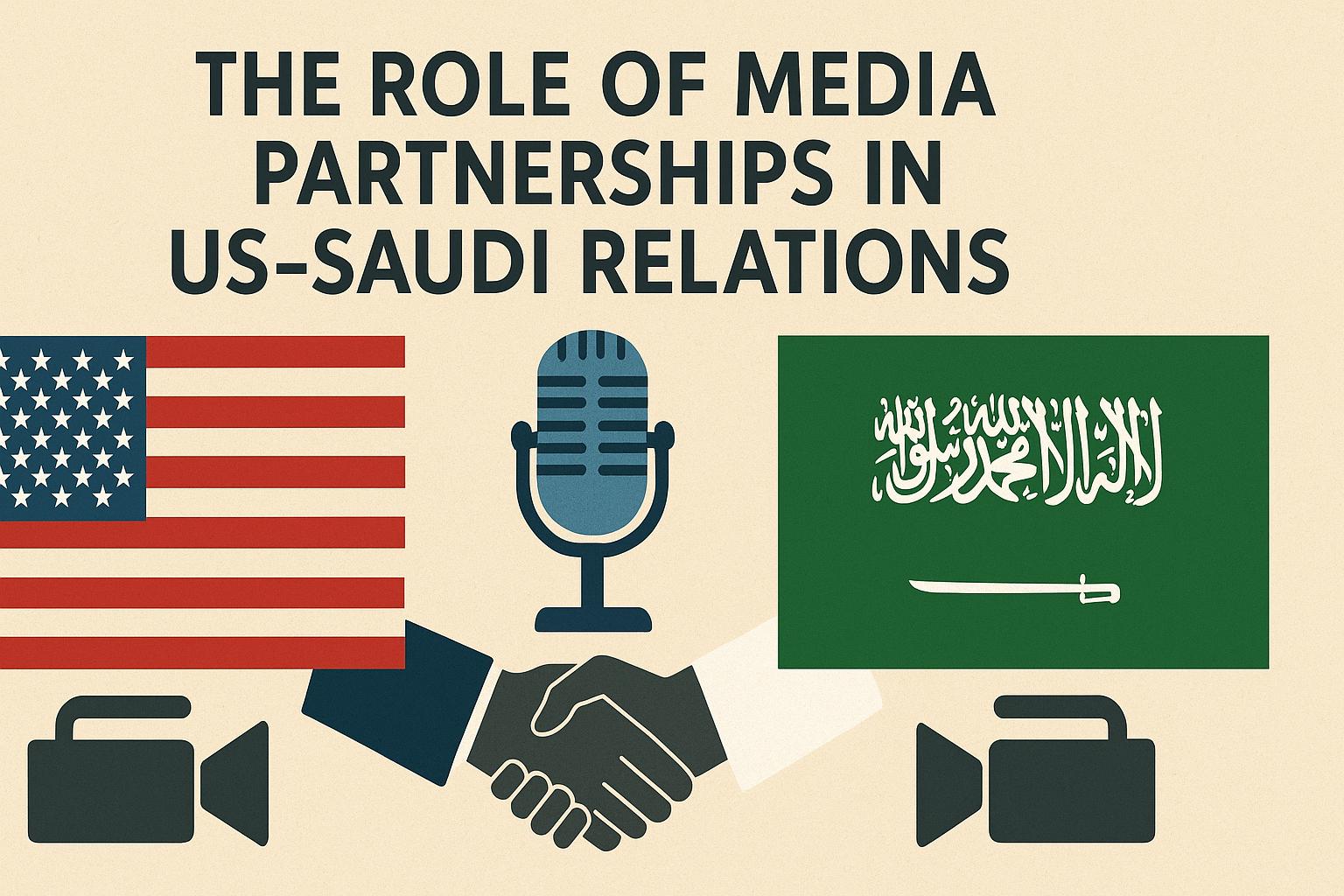
Media outlets play a crucial role in diplomacy by framing narratives and highlighting key issues. In the context of US-Saudi relations, both countries have utilized media to project their perspectives and interests globally. Media partnerships allow for collaborative content production, joint initiatives, and cultural exchanges that enhance mutual understanding.
US and Saudi media entities often enter into agreements that promote shared journalistic values and facilitate the exchange of information. These collaborations contribute to a more nuanced representation of each country’s policies and socio-economic landscapes, influencing international perception and bilateral ties.
Enhancing Mutual Understanding through Content Creation
Through collaborations, content is created that speaks to both audiences’ cultural sensibilities and interests. Joint projects often focus on stories that reveal the economic and cultural ties between the countries, shedding light on shared goals and ambitions. For instance, documentaries may explore areas such as historical partnerships in energy sectors or cultural initiatives that both nations have embarked upon. Such co-produced content not only informs but also creates a channel for cultural appreciation and empathy.
Prominent Media Collaborations
Several high-profile media collaborations have marked the landscape of US-Saudi relations. These partnerships range from news agencies signing content-sharing agreements to large-scale media events and forums that attract global attention. For instance, media conglomerates from both countries may enter joint ventures to produce and disseminate content across diverse platforms.
Such partnerships often involve the co-production of documentaries, news programs, and entertainment projects that highlight shared narratives and interests. These collaborations serve to bridge cultural divides and provide audiences in both countries with a more interconnected view of each other.
Media Events and Forums
Large-scale media events and forums play a significant part in these partnerships. Such events attract key players from the media industry, fostering dialogue and collaboration. These gatherings become avenues for exchanging ideas, sharing technological advancements, and engaging in discussions on media ethics and practices. By participating in these acclaimed platforms, both US and Saudi media gain global visibility and credibility.
Impact on Public Perception and Soft Power
The strategic utilization of media partnerships can significantly influence public perception and enhance a nation’s soft power. For Saudi Arabia, aligning with respected US media outlets can project a favorable image globally, highlighting reforms and investments in sectors like technology and tourism. Similarly, US media benefit from access to regional expertise and market reach in the Middle East.
Positive media narratives foster goodwill, encouraging diplomatic and economic engagement and opening avenues for deeper collaboration in other sectors. By leveraging these media ties, both nations work towards achieving longer-lasting partnerships.
Strengthening Diplomatic Relations through Media
The diplomatic landscape between the US and Saudi Arabia benefits from these media collaborations, which function as arms of public diplomacy. By engaging in joint initiatives that focus on producing unbiased and informative content, both nations help mitigate misunderstandings and foster a climate of mutual respect and trust. This informs a more constructive dialogue at diplomatic tables and opens discussions on tackling global challenges.
Challenges and Criticisms
Despite the potential benefits, media partnerships also face challenges. Differences in values and press freedom can pose hurdles. Some critics argue that these partnerships might lead to biased reporting or self-censorship, impacting the quality and reliability of information. Additionally, geopolitical shifts and domestic policies can strain media collaborations, affecting their sustainability.
Biased Reporting and Self-Censorship
Concerns often arise regarding potentially biased reporting due to vested interests, which may emphasize certain narratives over others, aligning with state policies or strategic interests. Moreover, self-censorship can result from such collaborations, with media outlets reluctant to address sensitive or controversial topics, thus affecting journalistic integrity.
The Influence of Geopolitical Shifts
Geopolitical changes can influence media partnerships by altering priorities or allegiances, leading to abrupt shifts or discontinuations in collaborations. For instance, diplomatic tension or policy changes may force media outlets to recalibrate their engagements or retract from joint ventures, which hinders continuous and productive partnership development.
Conclusion
Media partnerships play a pivotal role in influencing US-Saudi relations. As both nations navigate international challenges, these collaborations offer unique opportunities to foster understanding, bridge cultural gaps, and enhance diplomatic ties. While challenges remain, thoughtful engagement through media partnerships continues to be a vital part of the bilateral relationship.
Future Perspectives
The future of media partnerships between the US and Saudi Arabia holds promising prospects, albeit with caveats. Emphasizing ethical journalism, transparency, and reciprocal benefits will be paramount to sustaining these valuable partnerships. Moreover, adapting to technological advancements and digital media trends can further solidify relations, while educational exchanges in journalism and media studies can enhance understanding and skill transfer. By tackling challenges head-on and nurturing a spirit of cooperation, media collaborations can remain an integral facet of US-Saudi relations, influencing not just perceptions but the very nature of this key international partnership.
This article was last updated on: October 11, 2026