The Evolution of US-Saudi Cultural Relations
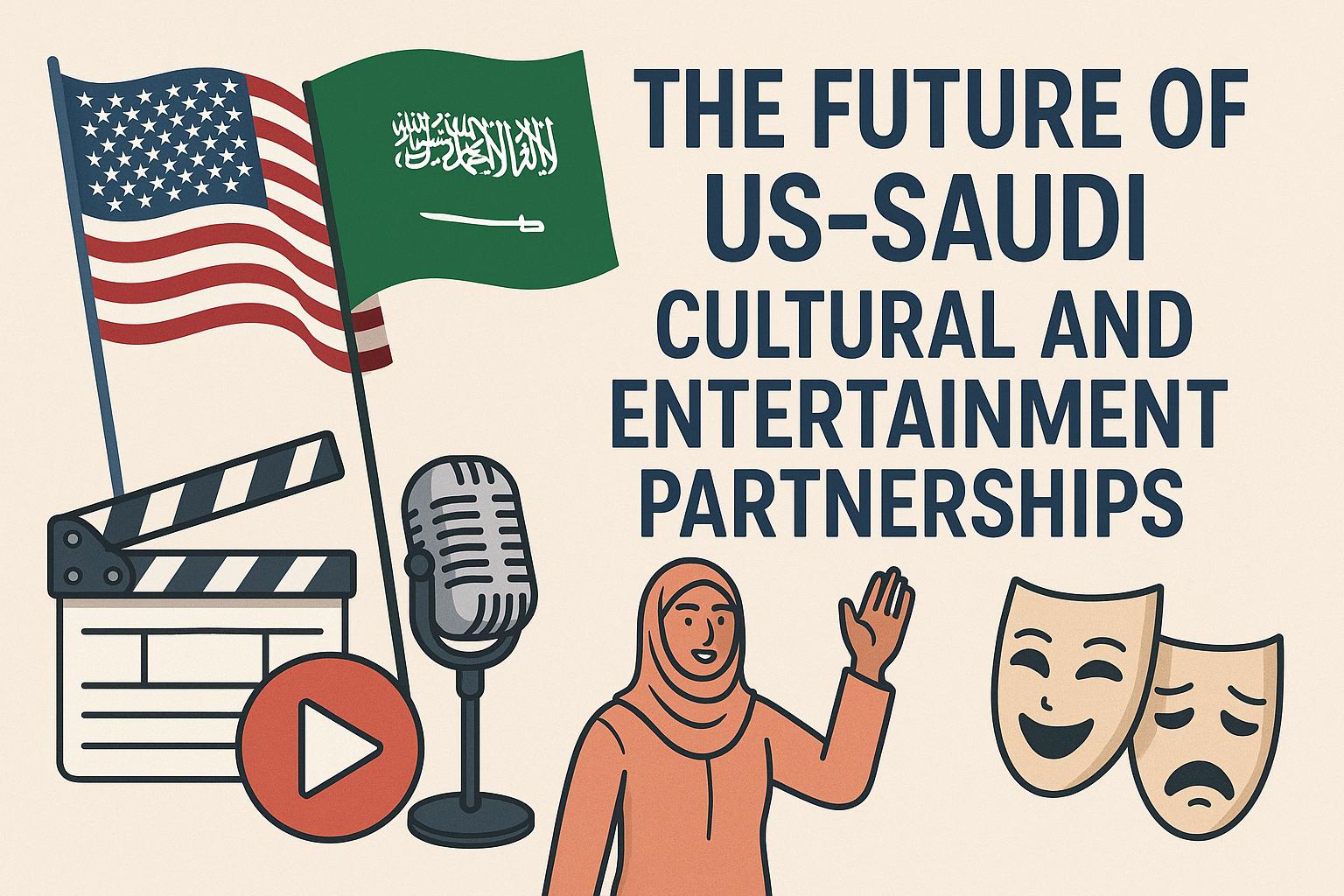
The cultural and entertainment partnerships between the United States and Saudi Arabia are evolving in unprecedented ways, primarily driven by Saudi Arabia’s Vision 2030. The Kingdom’s ambitious plan seeks to diversify its economy beyond oil dependency, with a strong focus on the entertainment and cultural sectors. This initiative has opened new avenues for collaboration between the US and Saudi Arabia, leveraging American expertise and innovation in the entertainment industry.
Vision 2030: A Catalyst for Change
Vision 2030 is a significant driving force behind the increased cultural transactions between the two nations. Launched in 2016, the program aims to stimulate arts, culture, and recreation sectors by creating partnerships with leading entertainment industries worldwide, particularly those in the United States. The strategic development of these sectors is integral to diversifying the Kingdom’s economy and promoting national cultural exchange.
The Growth of the Entertainment Industry in Saudi Arabia
The Kingdom has made considerable investments in building infrastructure to support an emerging entertainment industry. For example, several new cinema complexes have been established, and international concerts and festivals have become a regular occurrence. In 2018, the ban on cinemas was lifted after a 35-year hiatus, marking a turning point that signaled openness to global collaborations. US entertainment companies, including leading film studios and concert promoters, see significant opportunities to enter and develop this burgeoning market.
US Involvement in Saudi Cultural Initiatives
The involvement of American companies in these new ventures plays an integral role in shaping the cultural landscape of Saudi Arabia. Companies such as AMC Theatres and Cirque du Soleil have made headlines by establishing a presence in Saudi Arabia. Collaborations extend beyond business ventures; they also include educational exchanges and joint projects that benefit both nations.
Potential Benefits and Challenges
The future of US-Saudi cultural and entertainment partnerships holds potential benefits for both countries. For the US, entering the Saudi market could mean tapping into a new and growing audience, fostering economic growth, and enhancing cultural diplomacy. For Saudi Arabia, partnership with US firms can lead to skill transfers, job creation, and an enriched cultural landscape.
However, these partnerships are not without challenges. Cultural differences, political tensions, and regulatory frameworks can present hurdles that require careful navigation. It is crucial for US companies to remain sensitive and informed about the Kingdom’s cultural norms and policies while pursuing these opportunities.
Looking Forward
Looking ahead, the landscape of US-Saudi cultural and entertainment partnerships is poised for growth. Both nations recognize the mutual benefits of these collaborations, which range from economic opportunities to cultural exchange. As Saudi Arabia continues its push towards modernization under Vision 2030, the avenues for partnership are expected to expand, offering new possibilities for cultural enrichment and understanding.
US stakeholders interested in pursuing opportunities in Saudi Arabia’s cultural and entertainment sectors should remain informed of the Kingdom’s regulatory changes and societal shifts to ensure successful and respectful collaboration. For further details on Saudi Arabia’s Vision 2030, you can visit Saudi Vision 2030 for comprehensive insights into the program.
Historical Context of US-Saudi Cultural Relations
Historically, cultural relations between the United States and Saudi Arabia have been underpinned by a shared interest in economic and geopolitical collaboration. Although traditionally dominated by energy-related exchanges, cultural interactions have slowly gained importance over the decades. Cultural exchanges, particularly in education and artistic endeavors, have laid a foundation for the blossoming partnerships being explored today.
The introduction of cultural partnerships marks a new chapter in relationship dynamics as both countries seek mutual benefits that extend beyond the economic sphere. Bilateral initiatives that promote cultural understanding and cooperation are valuable in fostering lasting ties beyond rigid political or business arrangements.
Role of Education and Scholarly Exchange
Education has been a cornerstone of US-Saudi connections, even before the current surge in cultural partnerships. The flow of Saudi students to US universities has long been a bridge between the two countries, facilitating knowledge transfer and bringing new perspectives. Graduates from American institutions often return to Saudi Arabia with a profound understanding of Western values and practices, contributing positively to changes at home.
The exchange programs are not limited to Saudi students studying in the US; there are also opportunities for American scholars to immerse themselves in Saudi culture, study the Arabic language, and understand the socio-political landscape. These educational exchanges are important in fostering soft diplomacy, helping to build bridges of understanding, and creating networks of individuals who can promote bilateral relations across various sectors.
Cultural Diplomacy and Its Impact
Cultural diplomacy, embodied through museum exhibits, artistic collaborations, and shared cultural initiatives, is an emerging trend that allows each country to present its cultural heritage and innovations to a wider audience. Such projects create opportunities to highlight cultural commonalities, respect diversity, and reduce stereotypical perceptions that have long existed.
Film festivals, art exhibitions, and literary collaborations have become increasingly frequent, showcasing the uniqueness of Saudi culture while introducing American culture to Saudi audiences. Engaging in cultural diplomacy helps to demystify preconceptions and enables both nations to appreciate each other’s histories, arts, and societal contributions.
Challenges in Cultural Assimilation
Despite the promising strides, there remain challenges, particularly concerning cultural assimilation and the preservation of local traditions. The introduction of American cultural elements within the Kingdom is sometimes met with resistance due to concerns over Western influence overshadowing local heritage. Balancing modernity with traditional Saudi values is essential to maintaining cultural identity while embracing change.
Moreover, language barriers, differing societal norms, and political considerations present additional obstacles to seamless cultural exchange. Both nations need to foster genuine partnerships that respect these nuances, encouraging dialogue, and collaborations that benefit all parties involved.
The Future of Cultural and Economic Ties
As Vision 2030 continues to steer Saudi Arabia towards a more diversified economy, cultural relations with the United States are expected to grow further. Cultural initiatives hold the potential to enrich bilateral relations, enhance mutual understanding, and invigorate economic exchanges. The evolving nature of these ties is indicative of a future where collaboration transcends traditional boundaries.
The prospect of increased cultural partnerships also presents a path for expanding tourism and heritage conservation efforts, as newer avenues for collaboration may include the development of hospitality and tourism infrastructure. The depth and diversity of potential projects will depend on continued open dialogue, mutual respect, and an unwavering commitment to shared goals.
In conclusion, the evolving cultural relations between the United States and Saudi Arabia reveal a promising future grounded in mutual respect and shared ambitions. The focus on cultural and entertainment sectors marks a transformative period that holds strategic significance well beyond immediate economic or diplomatic gains. As both nations continue on this path, the collaboration could lead to enriched societies, stronger economies, and enduring friendships, demonstrating the influential power of cultural diplomacy in global relations.
This article was last updated on: September 13, 2026